The Messy Beauty of a New Creative Frontier
AI slop is everywhere, but the hypercurator turns chaos into art. Discover why curation is the new creativity in AI image generation.
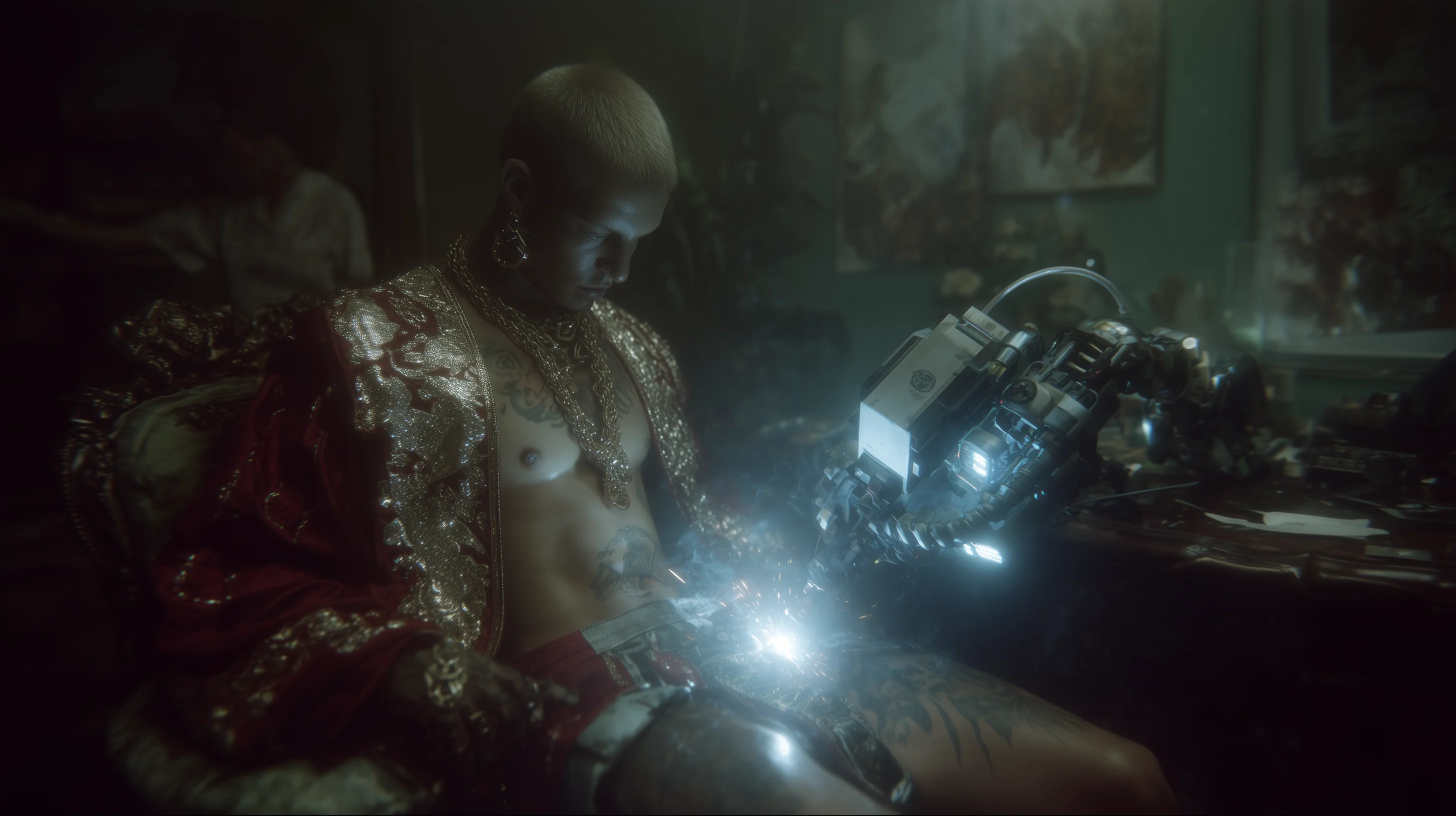
If you've spent any time online lately, you've probably stumbled across the term "AI slop." It's a snarky jab at the flood of AI-generated content—whether it's text, images, or whatever else machines are spitting out these days. Specifically, it refers to the low-effort, often bizarre outputs of tools like DALL-E, Midjourney, or Stable Diffusion: think a dog with six legs, a Renaissance painting of a burger, or a Jesus figure with prawn arms. It's the stuff that looks impressive at a glance but falls apart under scrutiny—digital junk food, as some call it. The term's been buzzing since AI image generators went mainstream around 2022, and it's become shorthand for anything that feels soulless or churned out without care.
But let's zoom in on image generation, where "slop" gets both its loudest cheers and harshest boos. AI can crank out hundreds of visuals in minutes—landscapes, portraits, surreal mashups—based on a simple text prompt. The catch? Most of it is, well, slop. A chaotic pile of pixels that might dazzle but rarely tells a story on its own. This is where the human element—the curator, or what I'd call the hypercurator—steps in. They're the ones scrolling through the mess, cherry-picking the gems, and weaving them into something meaningful. Maybe they've got a storyline in their head—a dystopian cityscape unfolding across five images—or a visual narrative they want to pitch to an audience, like a dreamlike journey through a forest of floating clocks. The AI doesn't care about coherence; it's the hypercurator who shapes the slop into art.
This process matters because it flips the old-school idea of creation. Back in the day, an artist started with a blank canvas and a vision, laboring over every stroke. Now, the canvas is overflowing before you even begin, and the craft lies in selection and refinement. It's less about making from scratch and more about sculpting from excess. The hypercurator isn't just a passive filter; they're an active storyteller, turning AI's raw output into something that resonates. Without them, it's just noise—pretty noise, sure, but noise nonetheless.
Here's where the internet gets loud. Scroll through X or any art forum, and you'll see "AI slop" thrown around like a slur. Critics hate on AI art, calling it lazy, soulless, or a threat to "real" creativity. Everything's slop to them—whether it's a glitchy meme or a polished masterpiece. It's as if the label itself is an insult, a way to dismiss the medium entirely. But here's the irony: the loudest haters often can't create anything in an era where creation's never been easier. Tools like these lower the barrier—yet they'd rather sneer than pick up the brush themselves.
And that's the kicker. AI slop isn't the problem; it's the opportunity. We're in an age where the bottleneck isn't skill or access—it's imagination. The people who scoff and walk away are missing out on a new medium that's as valid as paint or film once were. Sure, the flood of prawn-Jesus pics can clog feeds and frustrate purists, but it's also a playground for expression. The hypercurator doesn't just sift through slop—they harness it, bending it to their will. Those who can't see past the mess? They're the ones left behind, griping about a tool they won't even try.
So, yeah, AI slop is real. It's messy, it's wild, and it's everywhere. But in that chaos lies potential—a chance to tell stories, craft visuals, and express ourselves in ways we couldn't before. Hate it or not, it's here. And the ones who dive in might just turn slop into gold.