Moodboards: The Age of the Hypercurator
Moodboards are no longer optional in AI art. Learn how the Hypercurator uses dissonant references to break Midjourney defaults and create original work.
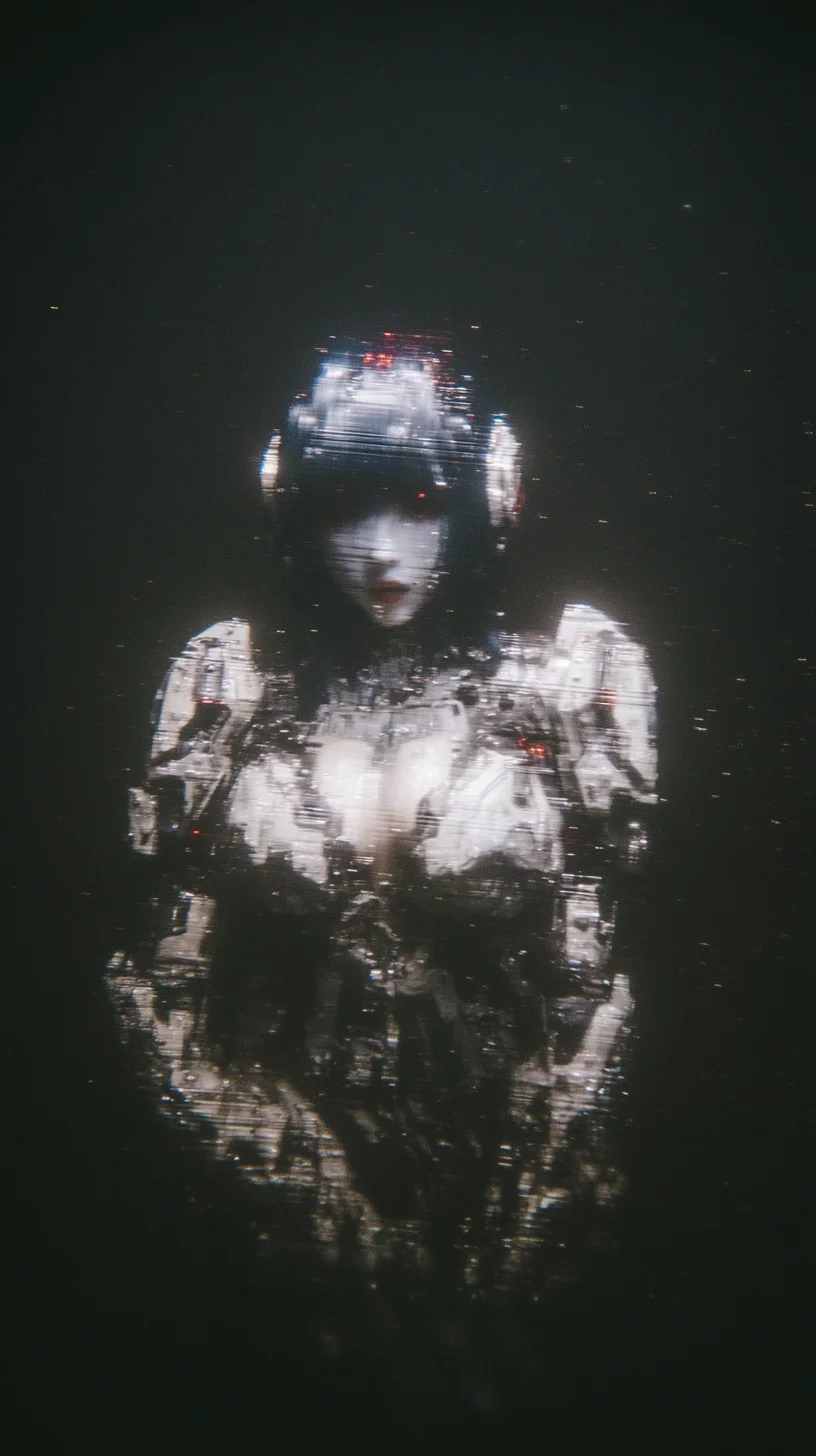
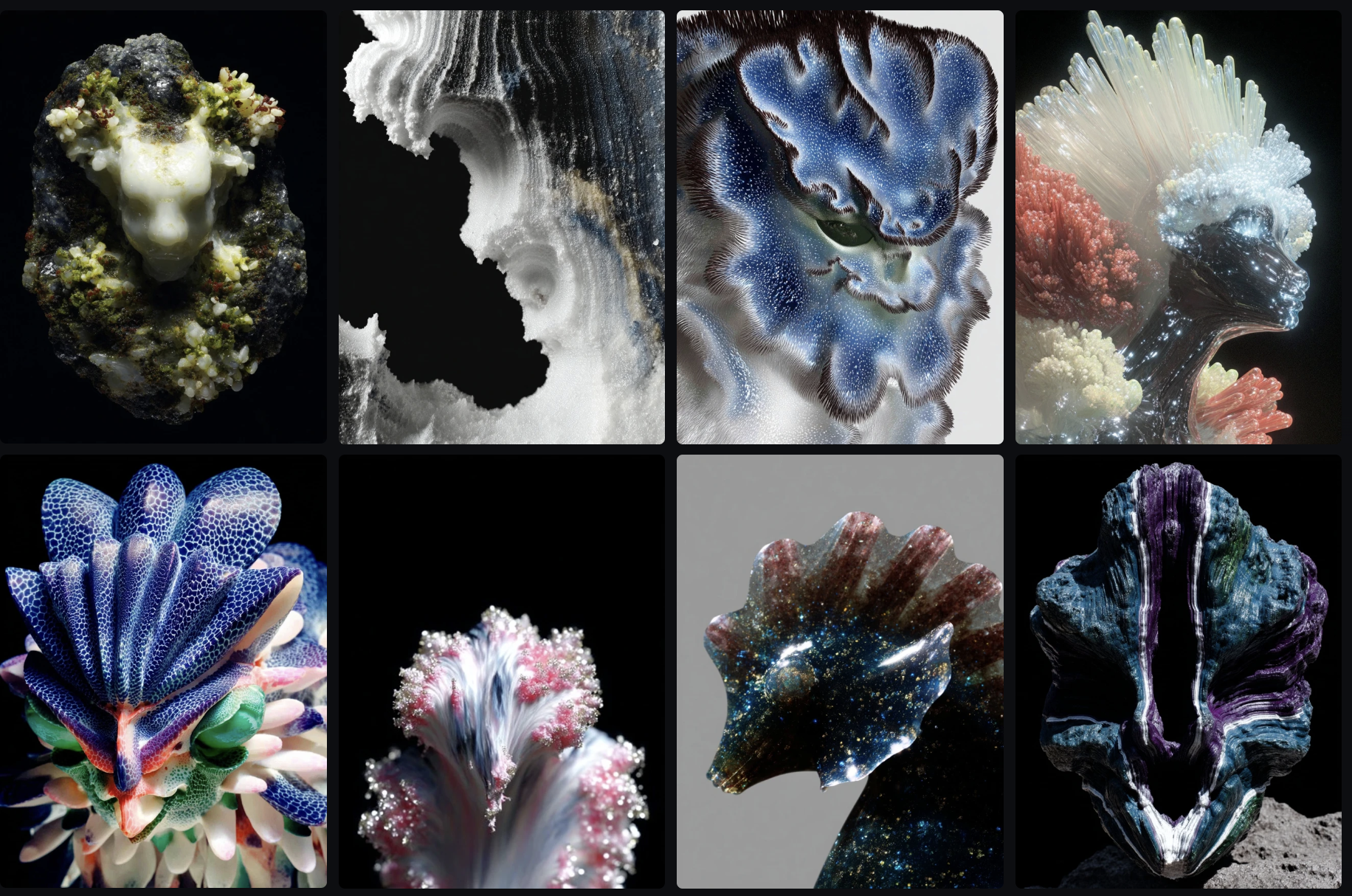
Not long ago, moodboards sat in the background—collages, scraps, inspirations. They were helpful, but auxiliary. Then MidJourney released the sref navigator, and suddenly they weren't optional. They became the structural spine of your art. They are no longer mere reference—they are your voice.
That's when I started thinking of a new archetype: The Hypercurator.
Who is the Hypercurator?
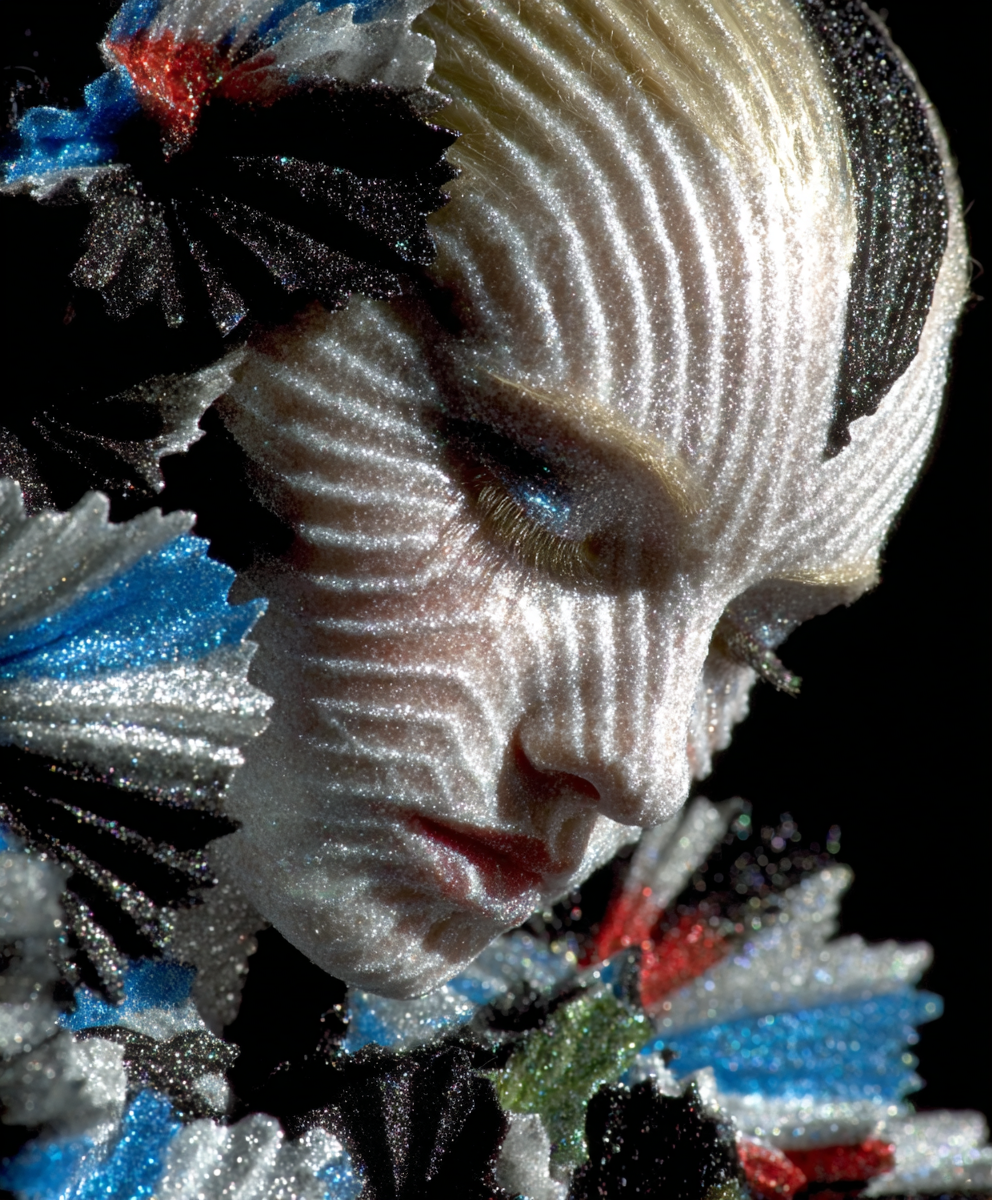
The Hypercurator isn't just someone who pulls together nice images. They're different. They don't collect what everyone else is collecting—they curate dissonance. They build reference sets not to match the aesthetic of the moment, but to break it. They forage for visuals that are odd, personal, obscure. They patch together family photos, found objects, strange architecture, early digital glitches.
What the Hypercurator does is not merely gather—they confuse the machine. Feed MidJourney with a traditional board (neon, dramatic lighting, cyberpunk skyscrapers) and you get what everyone else gets. Feed it with contradictory, messy, "too specific" personal stuff—and the work begins to fracture, to shimmer with originality.
Why Hypercuration Matters Now
Because in a world where "AI art" is immediately legible, recognizably MidJourney, recognizably someone's "prompt flex," being unclassifiable is the only real competitive advantage. When every style has thousands of clones, when filters and gloss become clichés, what remains is texture, idiosyncrasy, the haunted imprint of you.
This is where the Hypercurator comes in. They use moodboards with deliberateness. They don't just curate what looks good—they curate what disturbs. What makes the AI stutter a little. What pulls it off-guard. Because in that friction, something genuinely new emerges.
Moodboards Turned Resistance
Let me tell you how it works in practice:
- You might combine a collection of slightly damaged past family photos (grain, blur, imperfect framing)
- With scans of pages from arcane, old technical manuals
- With snapshots from forgotten video games, early 3D clay renders, glitch art
- Maybe even your own sketches, geometric patterns you drew in maths class
These are ugly, weird, inconsistent—but that's the point. The Hypercurator uses them like counterweights. They are resistance. They force the AI to navigate a terrain it wasn't built for. And when it does, you get something that isn't just good AI art—you get something that only you could have made.
The Unclassifiable Artist and the Rise of the Hypercurator
Here's the arc:
- AI tools get powerful →
- Art starts to look more and more like other people's AI art →
- Similar types of prompts and references dominate feeds →
- Originality becomes rare, because most people are still remixing the same visual vocabulary →
- Enter the Hypercurator: someone who breaks from those norms, who uses moodboards as weapons, who aims not to be pluggable into any existing category →
- Those unclassifiable works are the ones people remember, the ones that change what people expect.