AI and the Future of Gaming
From Microsoft WHAM to Google Genie 2, generative AI is building entire 3D game worlds from text prompts. Here is who is leading the charge.

Generative AI is already transforming how games are built and played, letting developers create entire 3D worlds from a single line of text. Type "cyberpunk Tokyo with sentient rain," and you get a living city—complete with neon-lit streets, drivable vehicles, and NPCs who dash for cover when the acid raindrops start falling. Some systems even adapt terrain and physics on the fly, forging experiences that feel spontaneous rather than pre-scripted. Here's a look at who's leading the charge and where this technology might take us next.
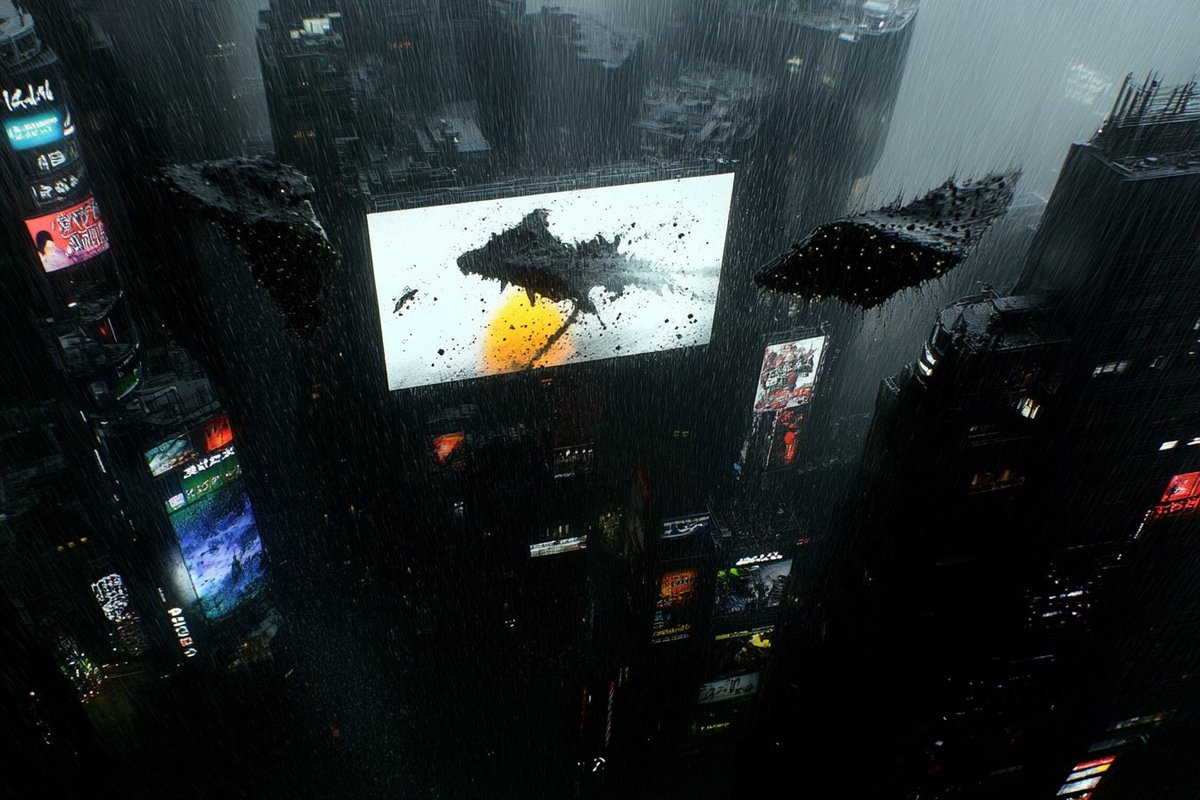
Generative Worlds ftw.
The Big Guns
Microsoft's WHAM
Short for "World Hypothesis Autoencoder Model," WHAM dynamically generates visuals and physics. In something like Starfield, entire planets could shift and evolve while you explore, reflecting your actions in real time.
Google's Genie 2
Genie 2 translates text prompts into full 3D worlds. Plug in a few words, and it handles everything from functional elevators to NPCs reacting to changing weather—no manual coding needed.
Elon's xAI Play
Backed by a 100,000-chip supercomputer slated for 2025, xAI Play aims to merge massive online gaming with social media. Picture Fortnite-sized events moderated by an AI that instantly pushes trending moments to social platforms.
The Underdogs
Runway's World Model
Runway generates near-photorealistic settings and predicts crowd behavior—useful for simulating how groups might gather in public areas or react to sudden events.
DIAMOND
An OpenAI offshoot, DIAMOND studies Counter-Strike gameplay to anticipate player moves. It's janky at 10 FPS right now, but it could soon evolve into a real-time predictor that changes how shooters are played.
Oasis AI
Oasis AI takes a Minecraft-like approach where every block matters. Knock down a tree, and you might trigger wildlife migration or ecological shifts—giving each action a ripple effect.
What's Around the Corner

Soon I will be able to transform my work into an interactive story.
- A New Wave of Creators
AI drastically lowers the barrier to entry. Tools like Activision's Project Cortex automatically spot bugs, and text-to-world engines turn creative prompts into ready-to-play levels. A single developer with a strong idea can now compete with larger studios.
- Storytelling That Writes Itself
Rigid branching dialogues might vanish. Games can track a player's boredom or frustration and adapt the storyline in real time. Massive modding communities could see their creations woven seamlessly into the main narrative by AI-driven curation.
- Worlds That Never Stop Evolving
Live-service titles might become fully autonomous ecosystems. A local AR event could pop up in your neighborhood one week, only to morph into a new questline the next. Die heroically in a raid? Your character could live on as an AI-controlled NPC for future players to encounter.
Points of Debate
- Ownership: If Google's AI generates a world from your text prompt, who truly owns the emergent lore?
- Reboots and Nostalgia: Classic franchises might get AI-driven reimaginings where beloved characters stray from their original paths.
- Ethics: As NPCs inch closer to genuine lifelike behavior, do we owe them any moral considerations?
The Heart of It All
These new AI tools are changing games from static, one-off products into constantly shifting environments that invite endless exploration. Developers gain fresh ways to experiment, players discover a nearly infinite well of experiences, and the lines between code and creativity continue to blur. Despite all the algorithms at work, a core truth remains: the most memorable games still carry a distinctly human spark at their center.