LOG 008:The Architecture of Hallucinations: Deconstructing Codex Vol. II
Codex Vol. II: a 120-page guide to AI World Building with 10 narrative architectures, from Decadence to Synesthesia, using Midjourney workflows.
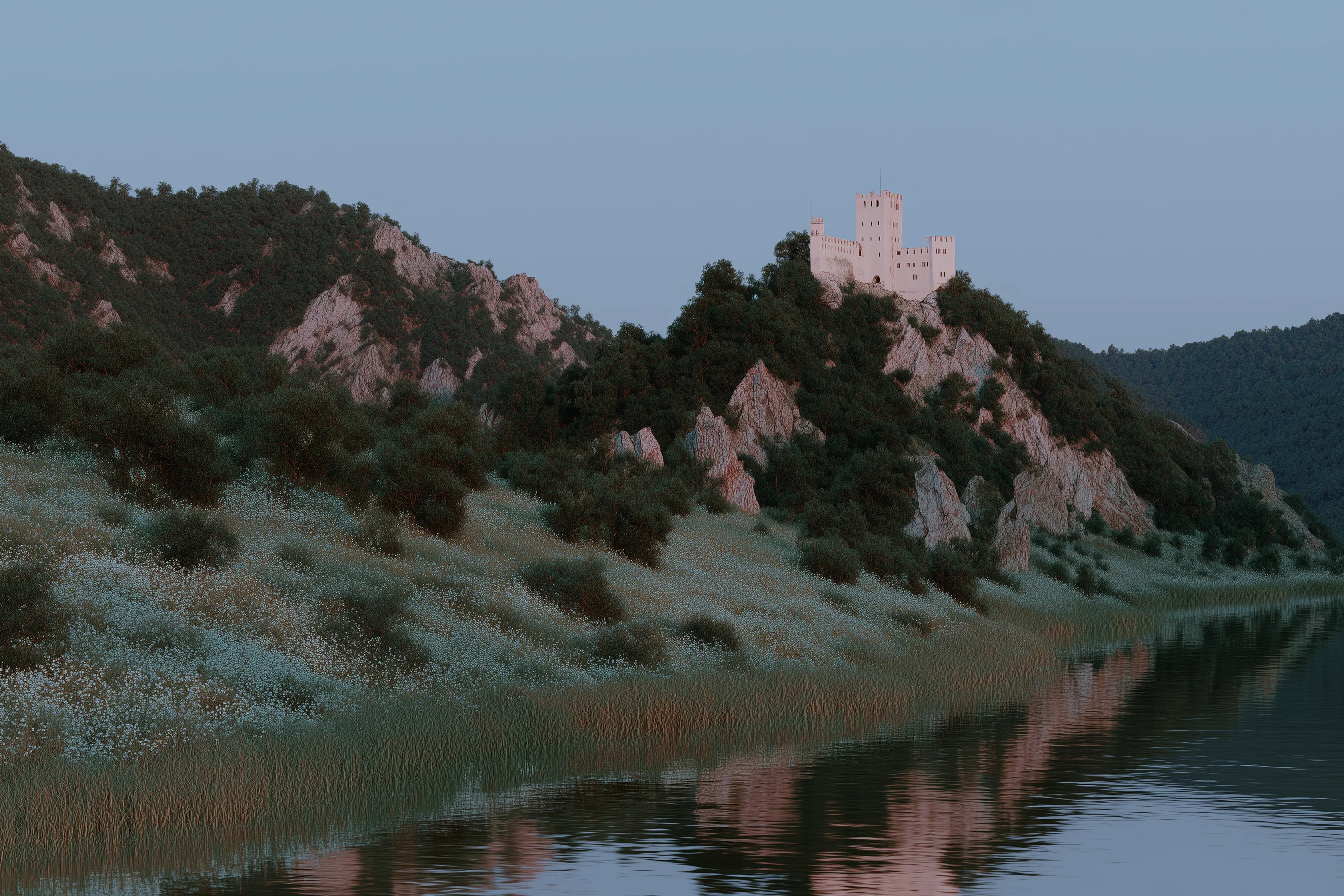
We were warned that the technical image would eventually turn imagination into hallucination, that we would cease to decode the world and instead become lost in the surface of the projection.
We have arrived at that horizon.
Most creators today are stuck in the "slot machine" phase of AI. They pull the lever (the prompt), wait for the dopamine hit, and post the result. It is a process defined by randomness. But randomness is not a style. And a collection of pretty, unrelated images is not a body of work.
Codex Volume II is a rejection of that randomness.
It is a 120-page monograph dedicated to World Building—the discipline of forcing the machine to adhere to a strict, consistent internal logic. It explores the "Latent Space" not as a vending machine, but as a coordinate system where concepts like "Harvest" or "sunset lighting" exist as adjustable variables rather than fixed pixels.
This volume documents 10 distinct "Narrative Architectures." Below is the breakdown of the philosophy, workflow, and specific worlds contained within the Archive.
The Philosophy: Scaling Taste
The core thesis of Volume II is that World Building is the only way to scale your taste.
In the past, an Art Director's job was to research eras and cultures, curating objects to ensure that when you are pulled into a world, those decisions are reflected in every frame. Generative AI lifts the technical burden of rendering, but it often misses the story behind the decisions.
To fix this, we have to move beyond simple prompting. We have to introduce a "stack."
The Codex Workflow: Volume II introduces a second intelligence to the workflow: Nano Banana Pro. While Midjourney is the "Explorer" that manifests raw ideas from the void, Nano Banana acts as the "Architect." It allows us to freeze specific variables—like a character's face or a building's style—while rigorously altering others.
This combination transforms the Latent Space from a chaotic gallery into a stable workshop.
The Ten Worlds
The Codex deconstructs 10 unique visual styles. These are not just aesthetic filters; they are complete psychological environments.
01. Decadence
The rotting empire.
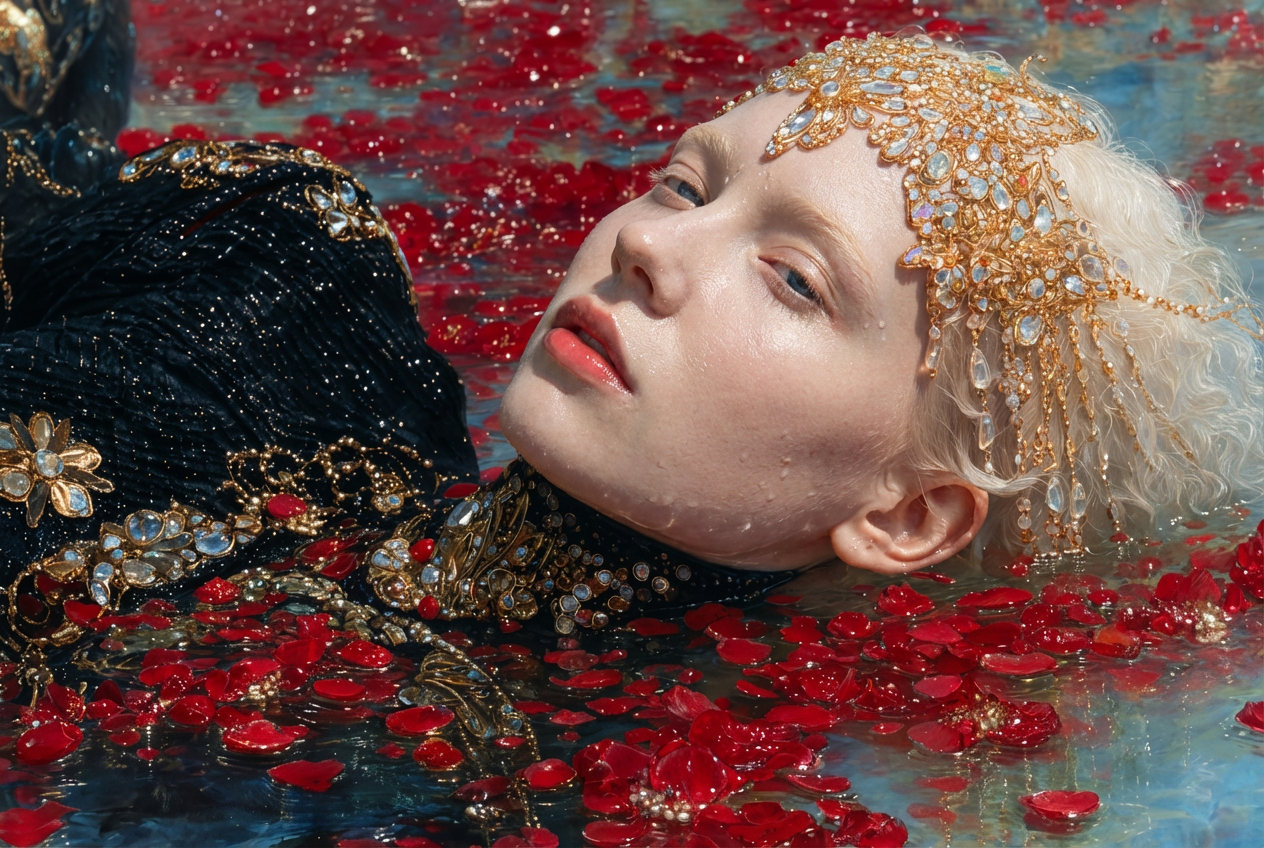
Historically, decadence refers to the phase when a great power has passed its peak and is slowly crumbling from within. This style explores the texture of "wasteful luxury." It is a world of opulence where citizens have lost their vigor, obsessed with pleasure rather than survival.
Visually, this style sits on the frontier where realism bleeds into illustration. We use the workflow to "interrogate the surroundings," asking the machine to reveal not just the subject, but the silence and jewelry-laden decay that surrounds it.
02. The Kids Are Alright
The memory of a fever dream.
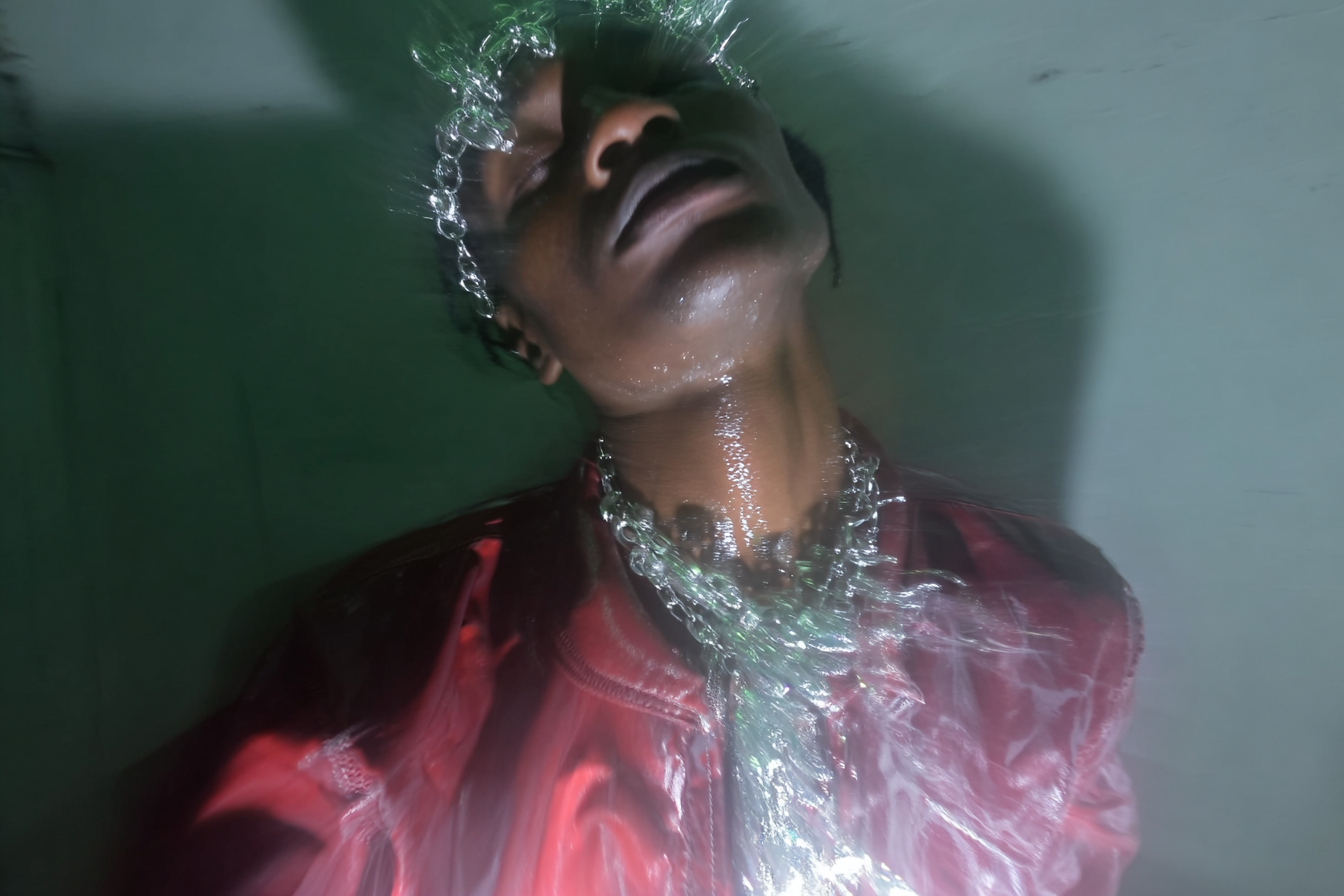
A photograph used to be a chemical event—crystals reacting to light. Today, it is data. This style treats GenAI as a "camera for the mind," reconstructing memories of scenes that feel real, even if they never happened.
This world captures the "aftermath." The password dissolved, leaving the door ajar to a party where no one recalls the guests or the reason for the celebration. It is flash photography in dark rooms, subcultures germinating beneath the city, and the residue of energy left behind when the night is wiped clean.
03. Clockwork Orange
The permanent sunset.

This style is an exercise in restriction. It limits the color palette and restricts tones to create a world trapped in a permanent sunset (or sunrise) where the sky never changes.
It proves that the "synthesis of shape" is the ability to compress meaning without detail. By organizing edges of color, we can reveal depth without ever actually illustrating it. It is "painterly" not for the sake of art, but for the sake of novelty.
04. California
The beauty and the horror.
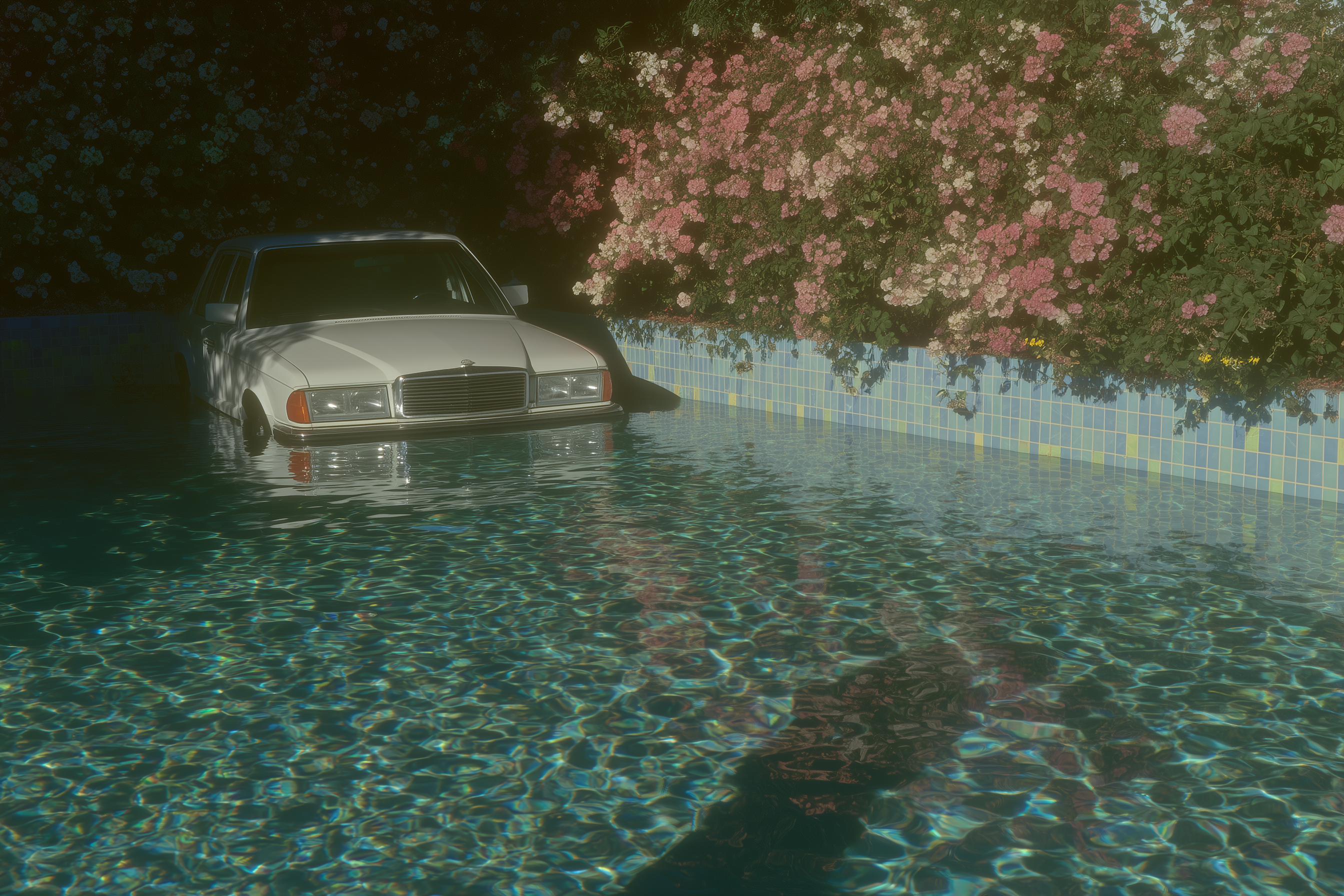
Can a location possess a psychology? This style explores the Lynchian tension of the "manicured lawn hiding the serial killer".
It focuses on the "double life"—the illusion of a masquerade that hides a deep, obscure horror. We build this world not with geography, but with atmosphere. It is a long drive through the velvet dark to find the single flaw in the perfect dream.
05. Afterglow
The active silence.
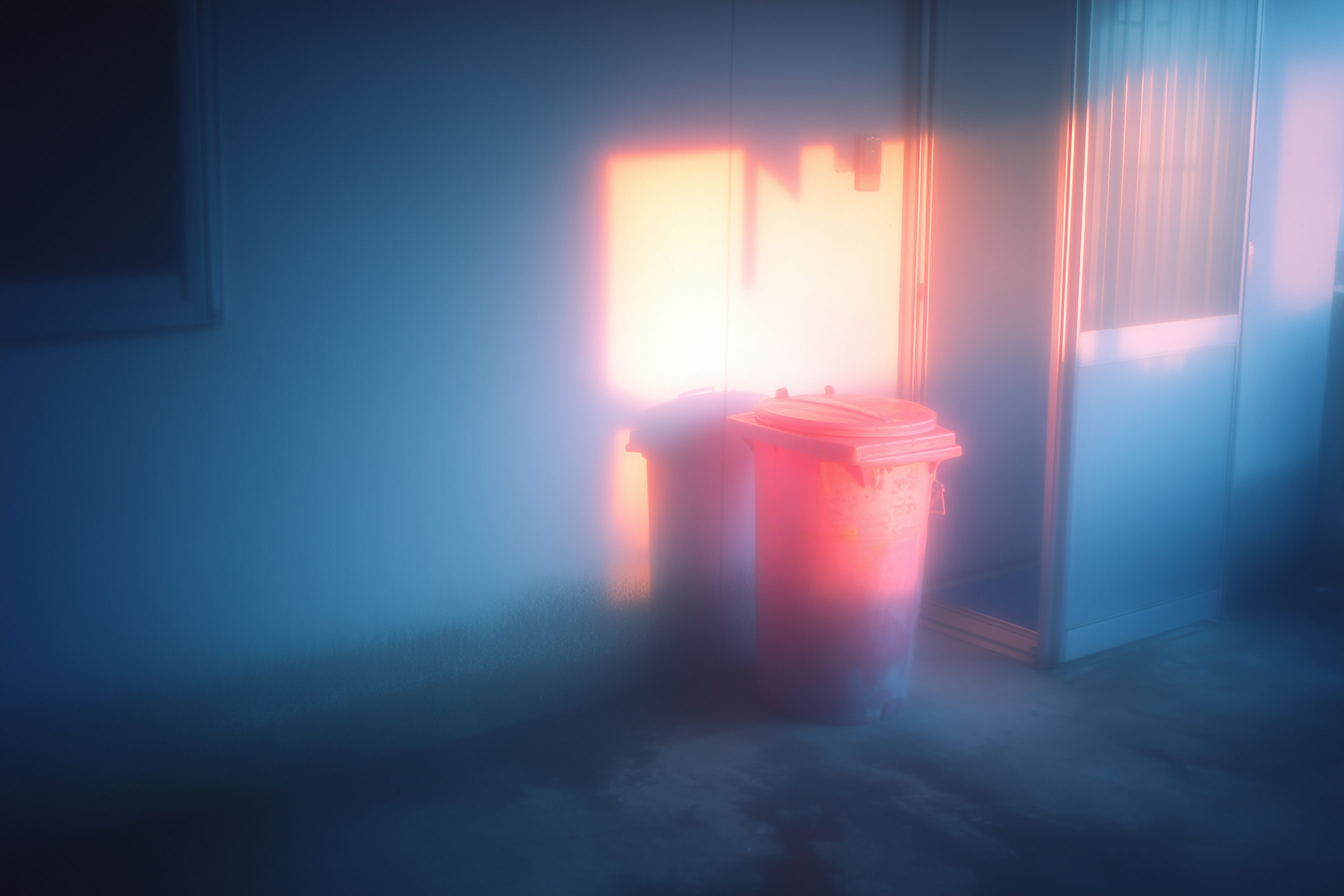
Composition is defined by what you delete. Negative space is not a lack of data; it is "active silence". This style mirrors the Japanese concept of Ma—where emptiness is a reservoir of time.
"Afterglow" utilizes fog and mist to delete the horizon, erasing the noise of the world until only the essential shapes remain. It captures the feeling of floating in the clouds days after a serotonin overload, where the air holds a soft electricity.
06. Harvest
Matters of small concern.
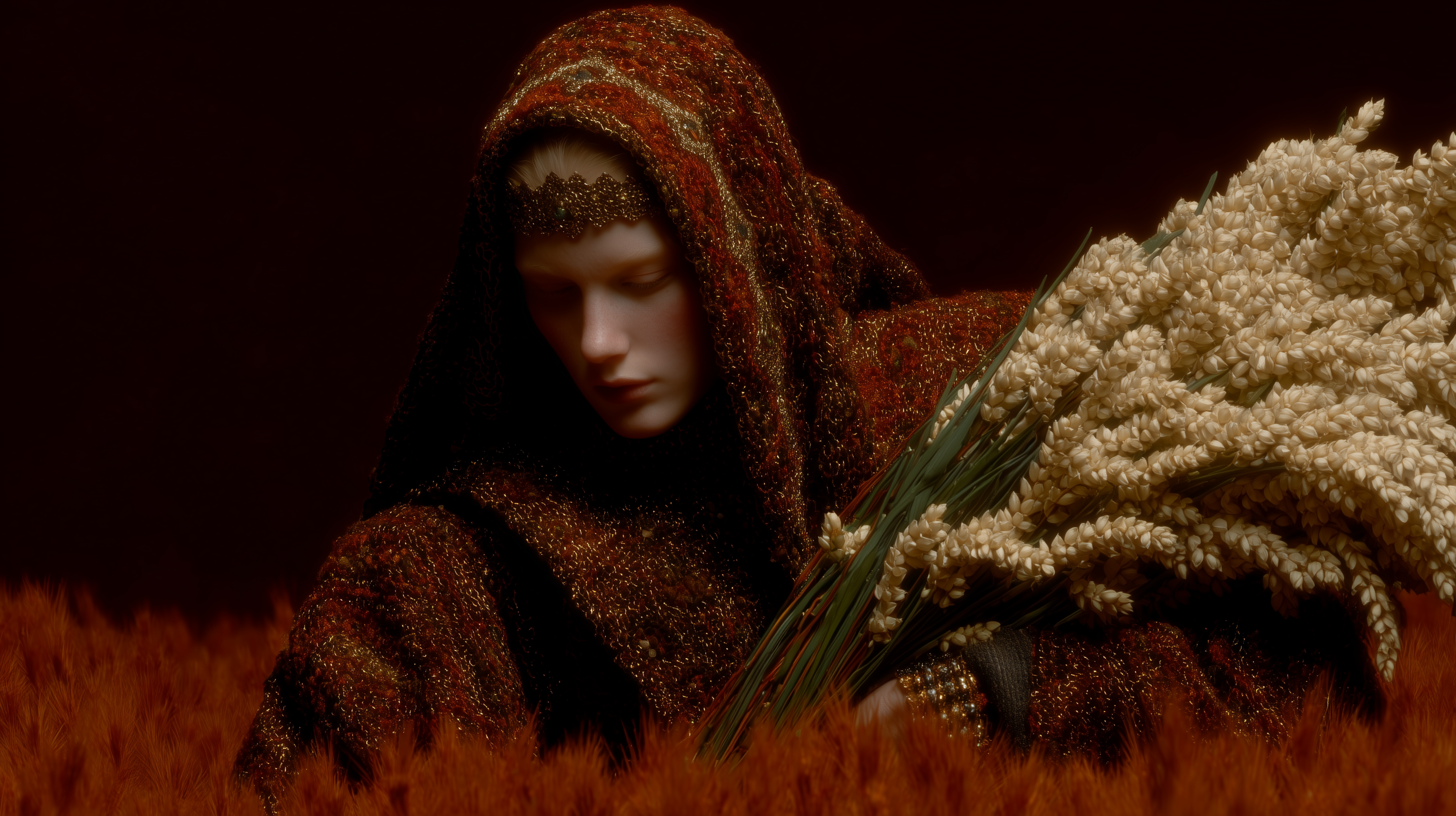
Inspired by the Hagakure ("Matters of small concern should be treated seriously"), this style focuses on the details that hold a reality together.
Visually, it evokes the Chiaroscuro of the old Dutch Masters. It depicts the clash between the countryside and the city, painting with light and shadow as if the only source of illumination is a single candle. It is a world of quiet cultivation, where death arrives not as a thief, but as a reaper gathering what has been perfected.
07. Synesthesia
The sugar rush.
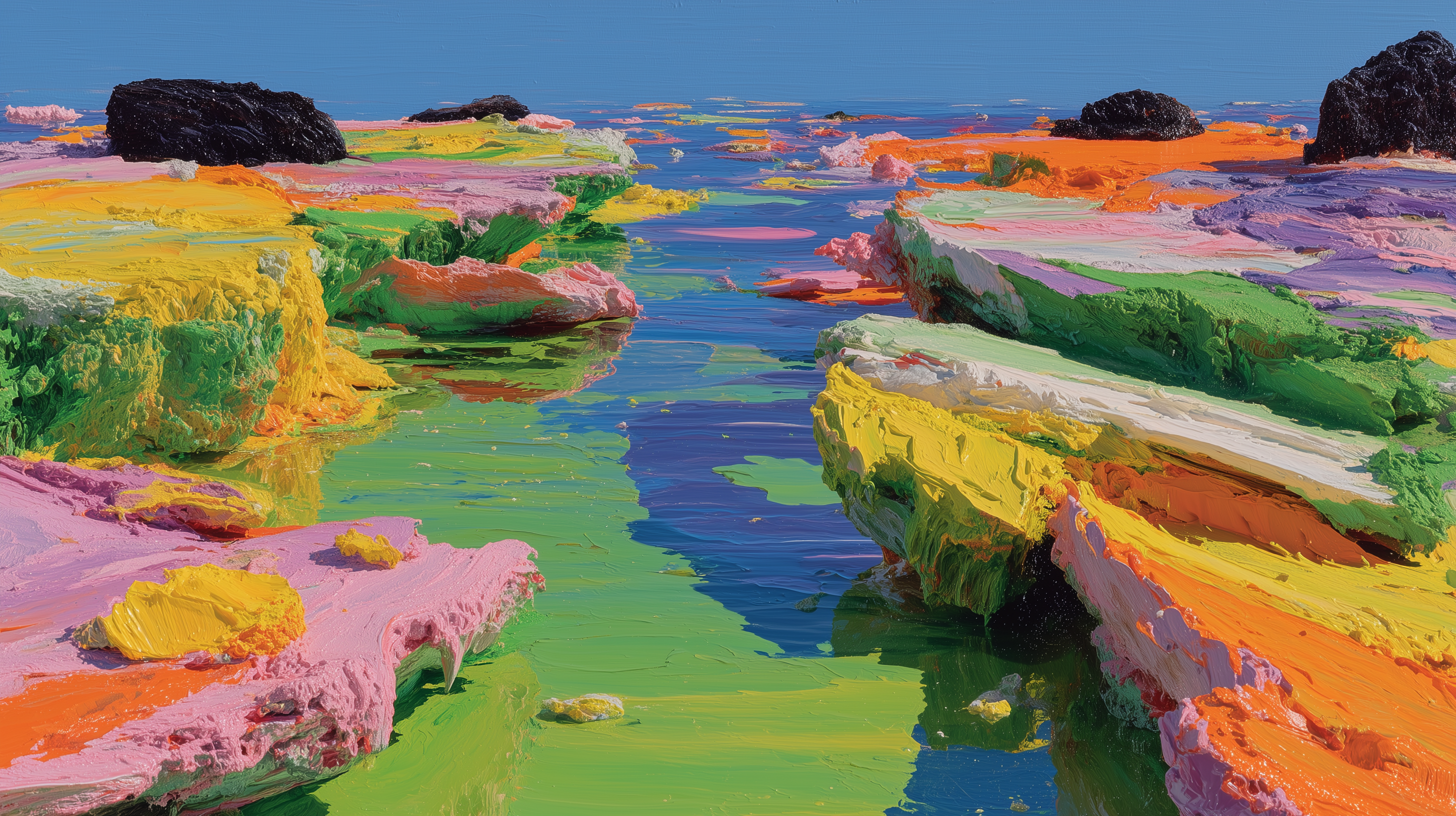
We are now architects of a "digital lysergia," crafting hyper-real objects that possess the visual weight of iron but the internal density of cake. This style is a calculated deception—a trompe-l'œil designed to short-circuit the senses.
It is a world of artificiality so intense it hurts. It tastes like pure sugar and color that breaks with sweat. It asks: Is it high art, or is it a monstrosity that can only exist in a society of such abundance that food becomes a toy?.
08. Tetsuo
The Third Impact.
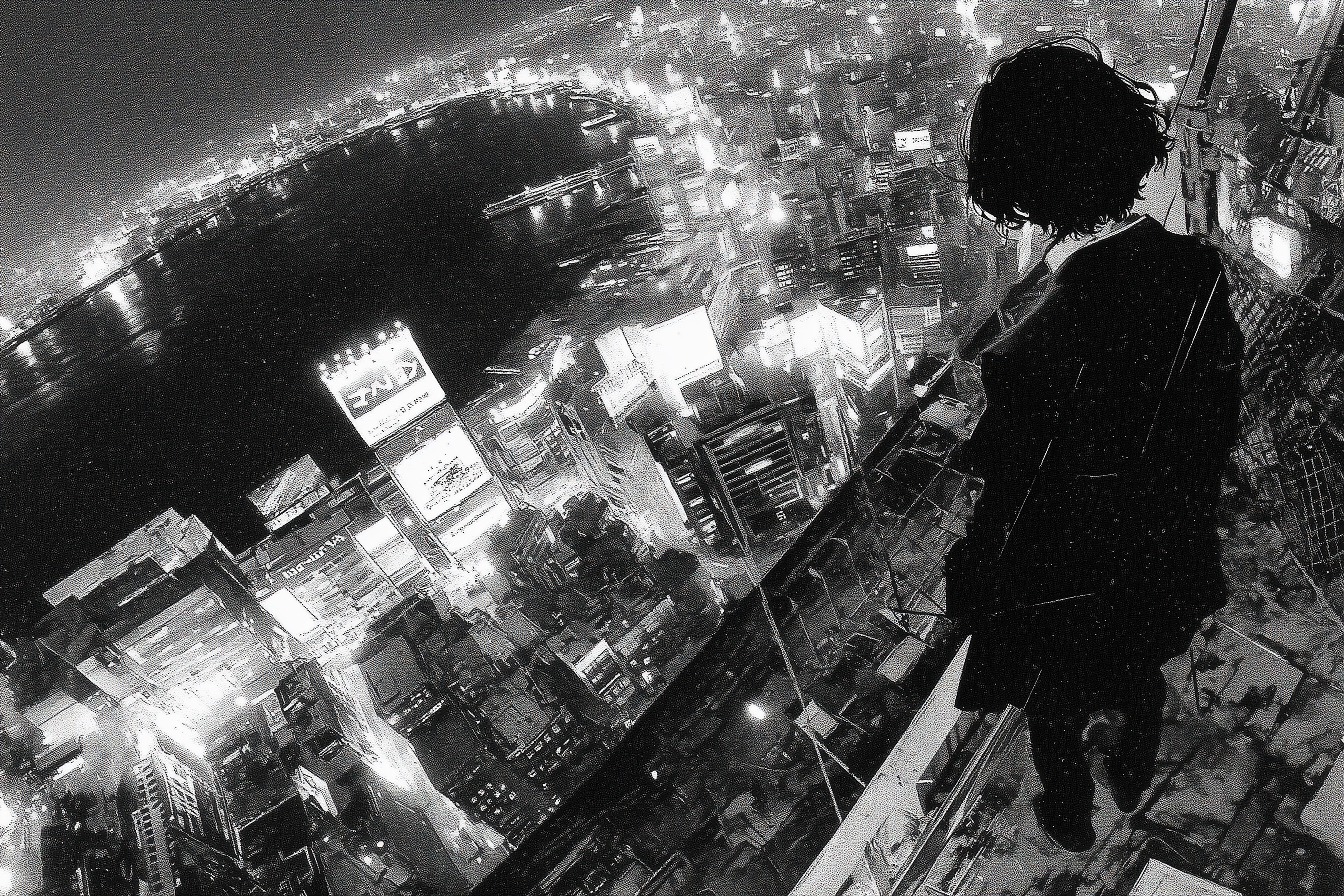
The most iconic silent moment in cinema is the nuclear explosion in Akira. This style is defined by that "Third Impact"—an event so mighty that everything else is forced to live around it.
Rendered in the high-contrast black and white of manga , this world connects the splitting of the atom on Earth to the silence of distant galaxies. It represents the tragic human struggle to contain godhood—a child given the universe before he has the emotional maturity to handle it.
09. Shōgo (正午)
Absolute Noon.
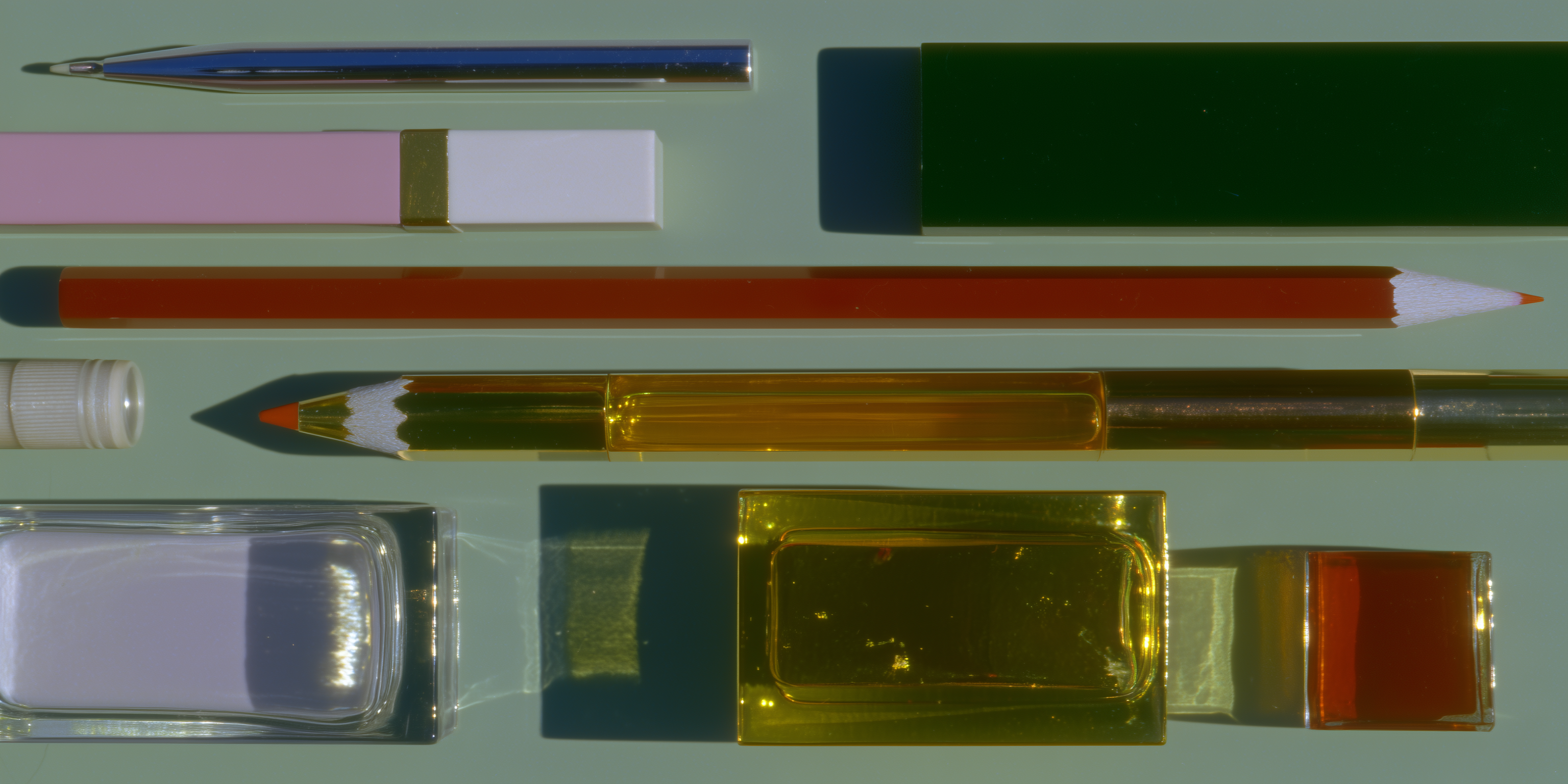
Shōgo is the formal Japanese word for noon. It represents a moment of absolute balance, clarity, and "peak" existence.
This style is difficult to define. It is characterized by "zero shadow"—the sun is directly overhead. It mixes empty interiors, skate culture, and an obsession with Japanese stationery. It is a world where time pauses at the summit of absolute light and truth.
10. Doppelgänger
The Troxler Effect.
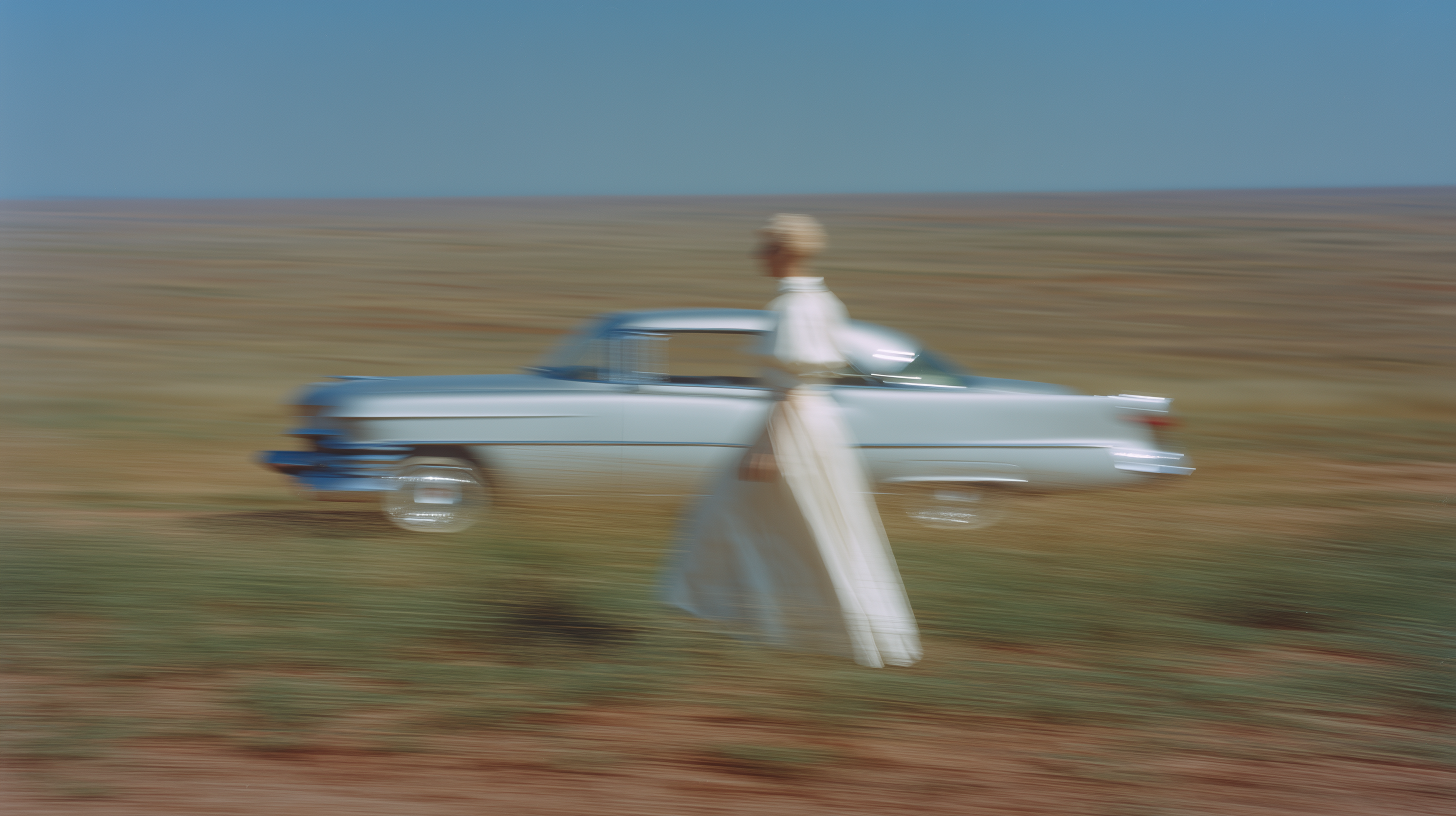
If you stare at a single point for twenty seconds, the brain deems the periphery irrelevant and washes it out with gray. This is the Troxler Effect. This style exploits that glitch.
It explores the concept of the "Double-Walker." If you touch your double, you don't just die; you vibrate so intensely that your matter unbinds, exploding into pure white light. Visually, this manifests as double exposures, glitches, and the sensation of getting lost in a "Las Vegas dream" architected to trick your senses.
Conclusion: Breaking the Simulation
The danger of this technology is that we become "decorators of our own cells." We paint horizons on the prison walls and mistake a beautiful view for an open door.
Codex Vol. II is a manual on how to break that wall.
By mastering the "Workflow," "Theory," and "Expansion" contained in these 120 pages, you stop being a passive observer of the hallucination and become its architect. You learn to inject friction, entropy, and narrative weight into the hollow perfection of the machine.
We must remember the difference between nutrition and artifice. Otherwise, the epitaph of the AI artist will be simple:
"He starved to death in front of a banquet he painted himself.".
The Archive is Open.