World Building Codex v3 Is Live. Here's Everything Inside.
The most complete version of the framework I use to build visual universes with AI tools. Thirteen fundamentals, ten worlds, and the structure behind it all.
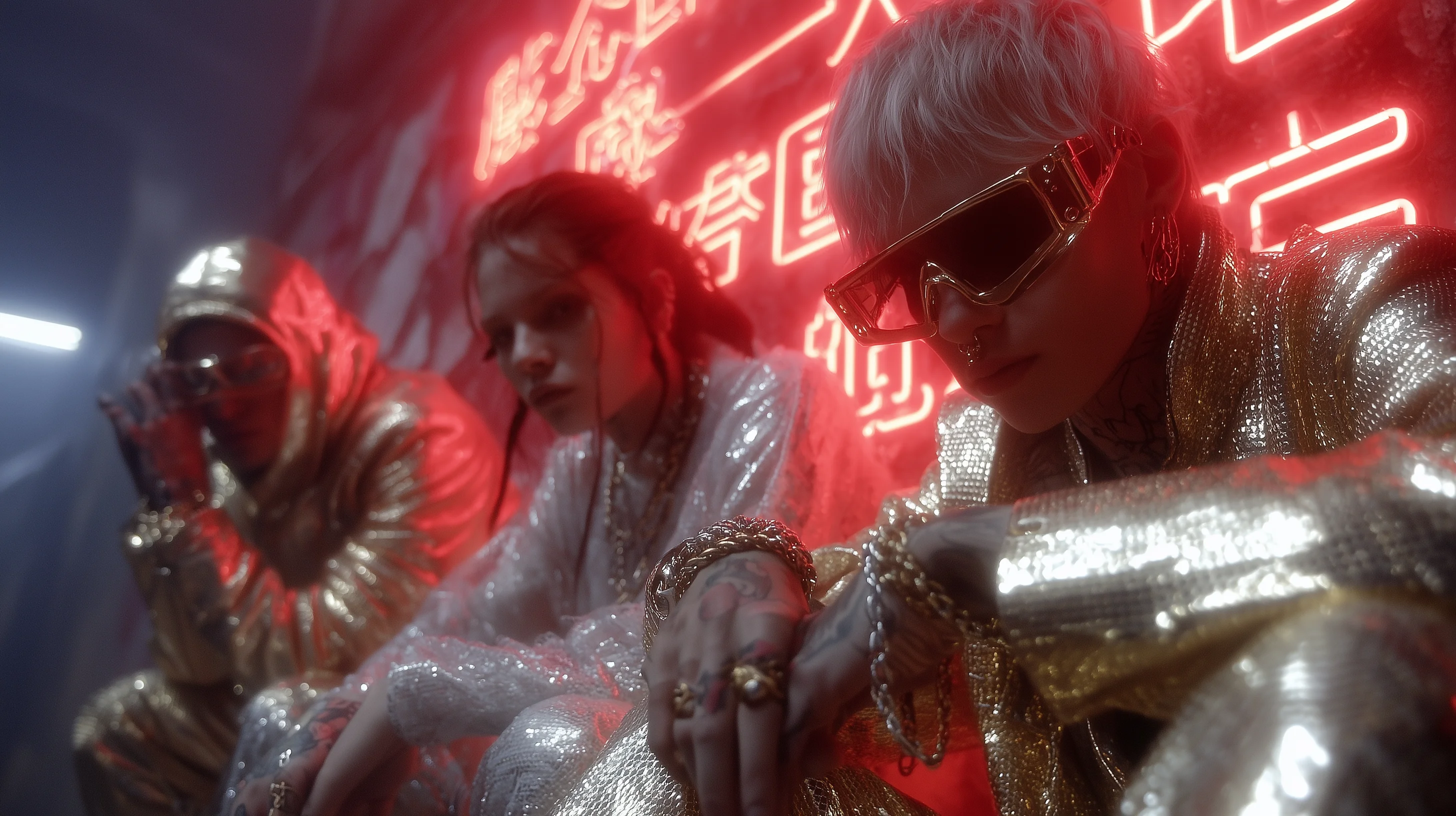
Most people generate images. A few build worlds.
The difference is not talent or taste or even time. It is structure. A world has gravity — rules you can feel even when nobody explains them, a history that existed before you arrived, a visual logic that holds together across a hundred outputs the same way it holds together across one. An image without structure is decoration. An image with structure is a doorway.
I've spent the last two years figuring out what that structure looks like, and today I'm releasing everything I know. The World Building Codex v3 is live — the most complete version of the framework I use to build visual universes with AI tools. It's free. It's yours. And I want to walk you through what's inside.
Why a Codex
Tools change. Models evolve. Features disappear overnight. I've watched it happen in real time — entire workflows invalidated by a single update. If you build your creative practice on top of features, you're building on sand.
The codex exists because fundamentals don't change. The principles that make a world feel coherent, intentional, and alive are the same whether you're working in Midjourney, Stable Diffusion, or whatever comes next. They're the same principles that governed filmmaking, architecture, and visual storytelling long before any of us touched a prompt bar.
This is about compounding. Small, consistent investments in craft that accumulate over time. Every world you build makes the next one stronger — but only if you're building on structure, not randomness. The codex is that structure.
The Fundamentals
I've organized everything I know about World Building into thirteen principles across three tiers. They're not rules. They're lenses — ways of looking at your work and asking whether it holds together, whether it earns its place, whether it breathes.
Think of them as a shared vocabulary. A language we can use to talk about the invisible architecture behind the images.
Tier One: Foundation
Foundation is the work you do before you generate a single image. It's the decisions you make in your head, in your notes, in conversation with yourself. It answers three questions: what does this world believe, what happened before we arrived, and what figures carry its meaning.
Get this right and every decision downstream becomes easier. Skip it and you will spend months generating beautiful images that belong to no world at all.
Thesis is the singular idea that governs the world. Not a theme, not a vibe, not a mood board. A position. Something your world argues for. It is the filter through which every future decision must pass. When you're lost in generation and don't know which output to keep, the thesis tells you. When two images are both beautiful but one belongs and one doesn't, the thesis is how you know. Everything flows from this. If your world doesn't have a thesis, it doesn't have a center, and without a center, nothing holds.
Lore is the invisible history that gives weight to everything the viewer sees. The tensions and rules that exist beneath the surface. It does not need to be explained, but it needs to be felt. A world with lore has a sense of time — you feel that things happened before you arrived, that there are consequences and origins embedded in every frame. A world without lore is just set design. Lore is what makes a viewer stop scrolling and lean in, because they sense there's more than what they're seeing.
Archetypes are the recurring figures and symbols that populate your world. Not characters but patterns of meaning. They repeat across outputs, carrying significance that deepens each time they appear. A knight, a machine, a ghost, a child — these are not decorations. They are the vocabulary of your world, the figures that give it a mythology. Together with thesis and lore, they form the gravity of your world. They are what hold everything in orbit, and without them, even the most beautiful output drifts into randomness.
Tier Two: Craft
Craft is where the world becomes visible. It governs how your world looks and feels across every single output. These are not random choices — they are a system. That system is what makes your world instantly recognizable, whether it is a single frame or a hundred.
Craft is the difference between generating images and building worlds. It is where your eye and your taste live. You develop it slowly, over time, by looking at your own work honestly and asking what belongs and what does not. Nobody can teach you taste, but you can sharpen it by being ruthless with yourself.
Visual Language is the systematic choices in color, material, light, texture, and form that make the world recognizable across any output. Every world has its own visual logic, its own palette, its own quality of light and weight of material. Your job is to find that logic and obey it consistently across everything you produce. When someone sees a frame from your world and knows it's yours before reading your name — that's visual language working.
Composition is how you direct the eye within a single frame, creating hierarchy and emotional weight. It's the arrangement of elements that determines what the viewer sees first, what they see second, and what they feel while looking. A centered subject conveys power. An off-balance frame creates tension. A figure dwarfed by architecture tells a story about scale and insignificance without a single word. Learn to see composition and you stop decorating and start authoring.
Tone is the emotional register of the world. Not a mood board — the consistent feeling that persists across every piece. A world can be melancholic, aggressive, euphoric, sacred, or clinical, but it cannot be all of them at random. Tone is a commitment. It's what the viewer feels before they think. When tone is consistent, the world feels inhabited. When it shifts without reason, the illusion breaks.
Atmosphere is the environmental layer — the breath of the world. Light, depth, weather, air quality, time of day. It's the difference between a scene that feels like a photograph and one that feels like a memory. Atmosphere is what makes the viewer feel temperature, humidity, distance. It is not decoration; it is context. A world without atmosphere is a world without air.
Scale is the relationship between the subject and the environment. How big things feel, how small a figure stands against the architecture. Scale is one of the most powerful emotional tools in World Building because it speaks directly to the body. A vast landscape with a tiny figure creates awe. A tight corridor with an oversized machine creates claustrophobia. Scale is how your world tells the viewer where they stand — literally.
Tier Three: Direction
Direction is the hardest discipline because it asks you to stop generating and start thinking. It is the art of sequencing, selecting, and knowing when something is done. Most world builders never reach this stage. They stay in craft, producing beautiful isolated pieces that never accumulate into something larger.
Direction is what separates a portfolio from a world. It requires you to think beyond the single image and consider how your outputs relate to each other. This is where most people struggle, because it requires you to stop generating and start curating.
Story in World Building is not traditional narrative. It is implied movement within a world. What happened before the frame, what is about to happen after. A single image that carries story feels alive — the viewer senses momentum, cause and effect, consequence. A single image without story is a postcard. Story doesn't require words or plot. It requires tension, and tension comes from the feeling that the moment you're seeing is not the whole moment.
Pacing is the rhythm of revelation. What you show first, what you withhold, and how tension builds across a sequence of outputs. If you drop your entire world in a single post, there is nothing left to discover. Pacing is the understanding that attention is finite and curiosity is earned. The best world builders know that what you don't show is as important as what you do. Pacing is how a world unfolds over time rather than arriving all at once.
Editing is the discipline of coherence — the decision of what stays and what goes. Killing outputs that do not serve the thesis no matter how beautiful they are. It is the hardest skill to develop because it means letting go. Everyone who generates with AI has experienced the moment of creating something stunning that simply doesn't belong. Editing is the courage to cut it. A world with strong editing feels tight, intentional, inevitable. A world without editing feels like a feed.
Repetition and Variation is how motifs recur with enough consistency to feel intentional and enough difference to feel alive. It is the rhythm of recognition. When a viewer sees the same symbol, the same color, the same figure appear across multiple outputs — slightly different each time — the world begins to feel real. This is where compounding begins. This is where the work starts working for you, because each new piece reinforces every piece that came before it.
Signature is what makes your worlds recognizable. Everything from your personality and unique point of view that makes your audience recognize your work. It is not a filter or a style preset. It is the accumulation of every decision you've made across every principle above — your thesis choices, your craft instincts, your editorial discipline. Signature cannot be copied because it is not a technique. It is a fingerprint. It emerges naturally when all thirteen principles are working together, and it is the reason two people can use the same tool and produce completely different worlds.
The Ten Worlds
The codex doesn't just teach principles in the abstract. It applies them across ten distinct style archetypes — ten fully realized worlds, each with its own thesis, lore, visual language, and atmosphere. Each one is a proof of concept for the framework above. Each one is built from a different set of answers to the same fundamental questions.
Here they are.
Style 01 — Cyberpunk: "Welcome to the Black Sun."
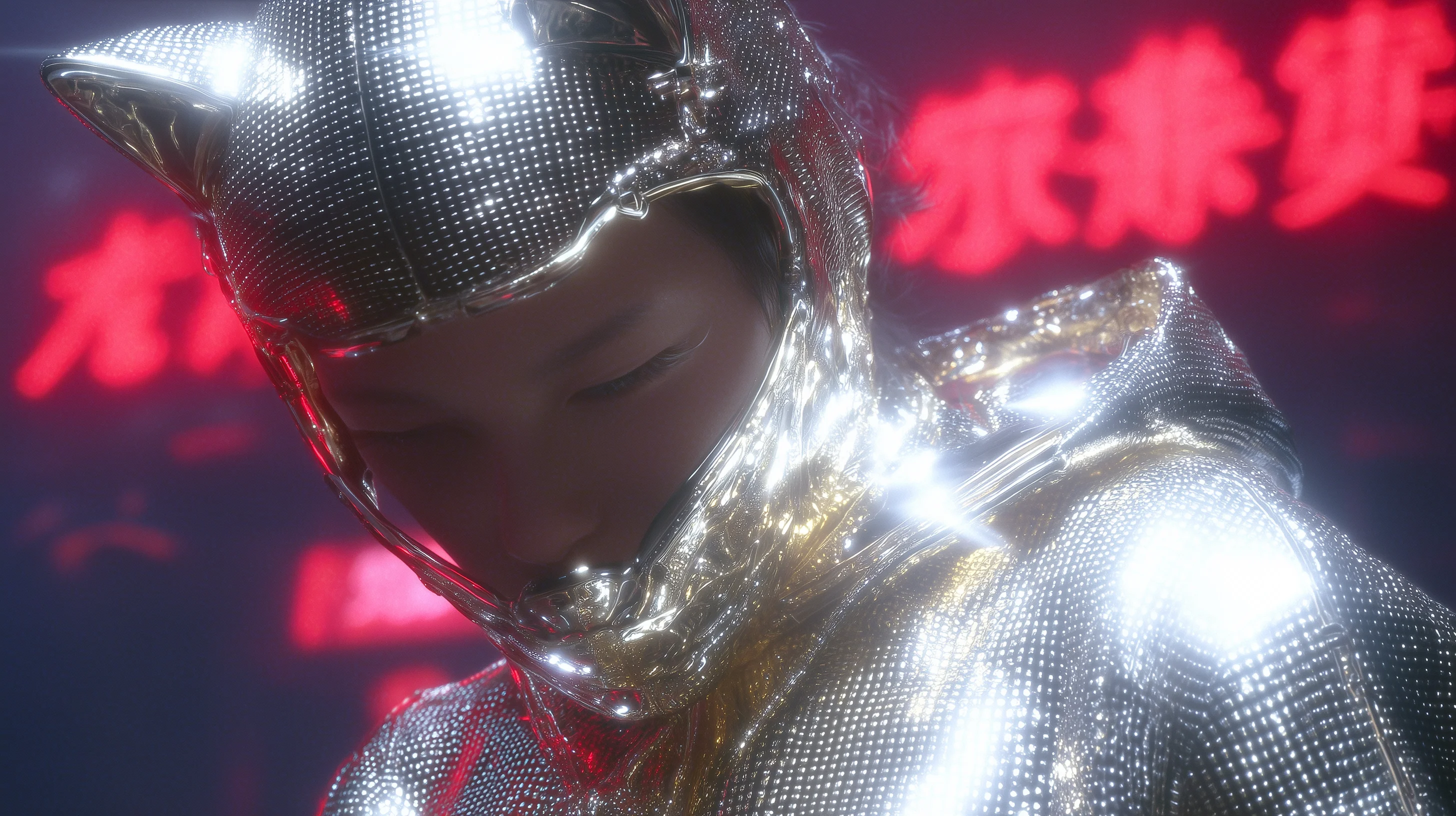
Neon dystopia where chrome meets flesh and street-level rebellion meets corporate technology. This world runs on the tension between human identity and mechanical augmentation. Punk aesthetics — DIY, loud, defiant — collide with sleek corporate tech. The visual language is soaked in neon, reflective metal, rain-slicked streets, and prosthetic limbs that blur the line between upgrade and wound. The Black Sun is not just a setting. It is a thesis about what happens when the body becomes a battleground.
Style 02 — Electroma: "The Poetry of Electric Beasts."
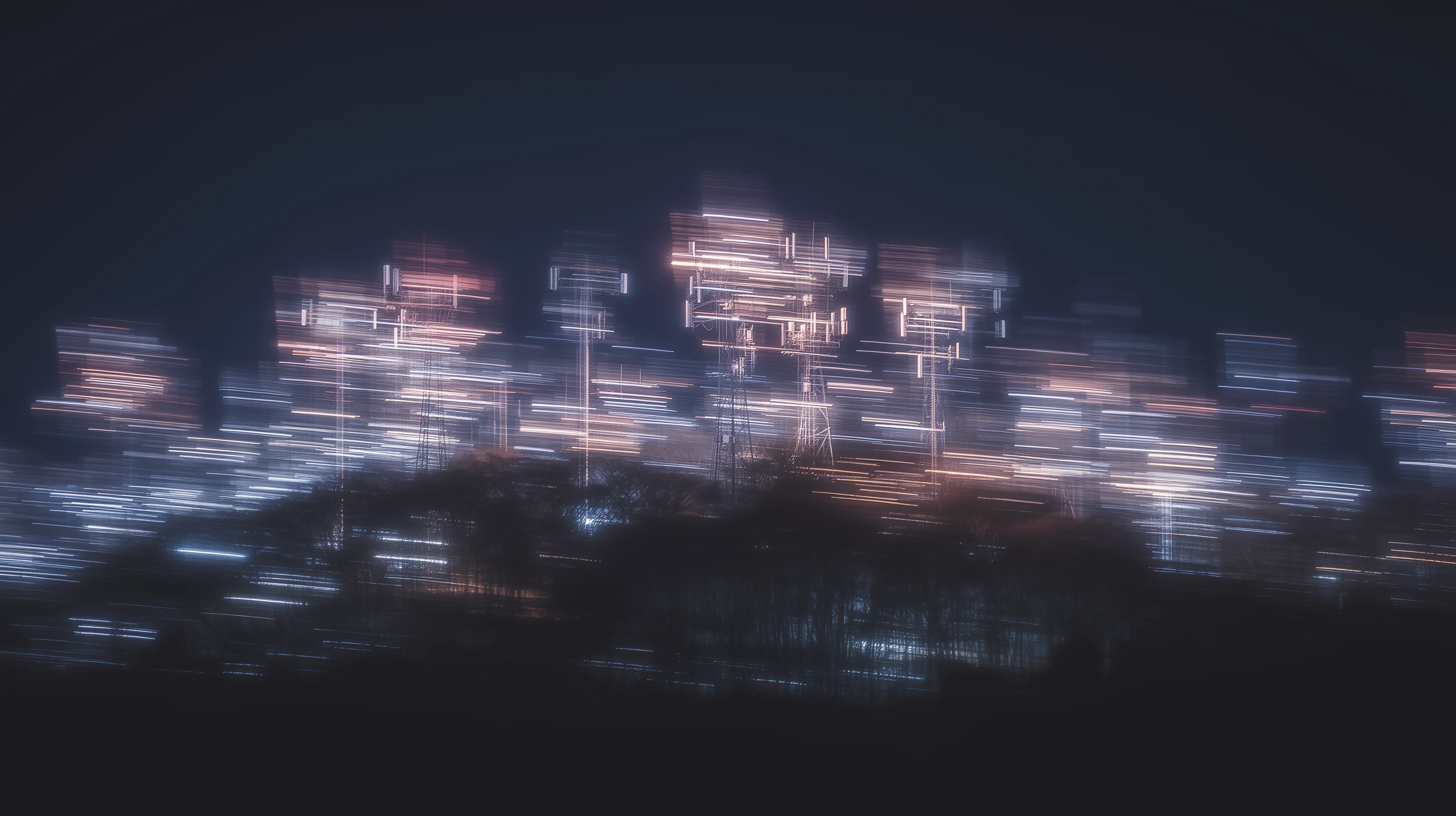
Inspired by Daft Punk's spirit, this world lives in the space between signal and noise. Motion blur, flickering forms, electric arcs captured mid-discharge. Everything here is in motion — not movement for movement's sake, but the kind of kinetic energy that feels alive, like watching neurons fire or lightning decide where to land. Electroma is a world built on the beauty of electricity as a living force.
Style 03 — Glass Candy: "An Impossible Candy."

Product photography pushed past the edge of reality into pure surrealism. Iridescent surfaces, pastel excess, objects that look edible and precious at the same time. This world takes the visual language of luxury advertising and inflates it until it becomes something alien. It is a meditation on consumerism, on the seduction of surfaces, on the way a perfectly lit object can feel more real than reality.
Style 04 — Vitruvian: "Quantum."
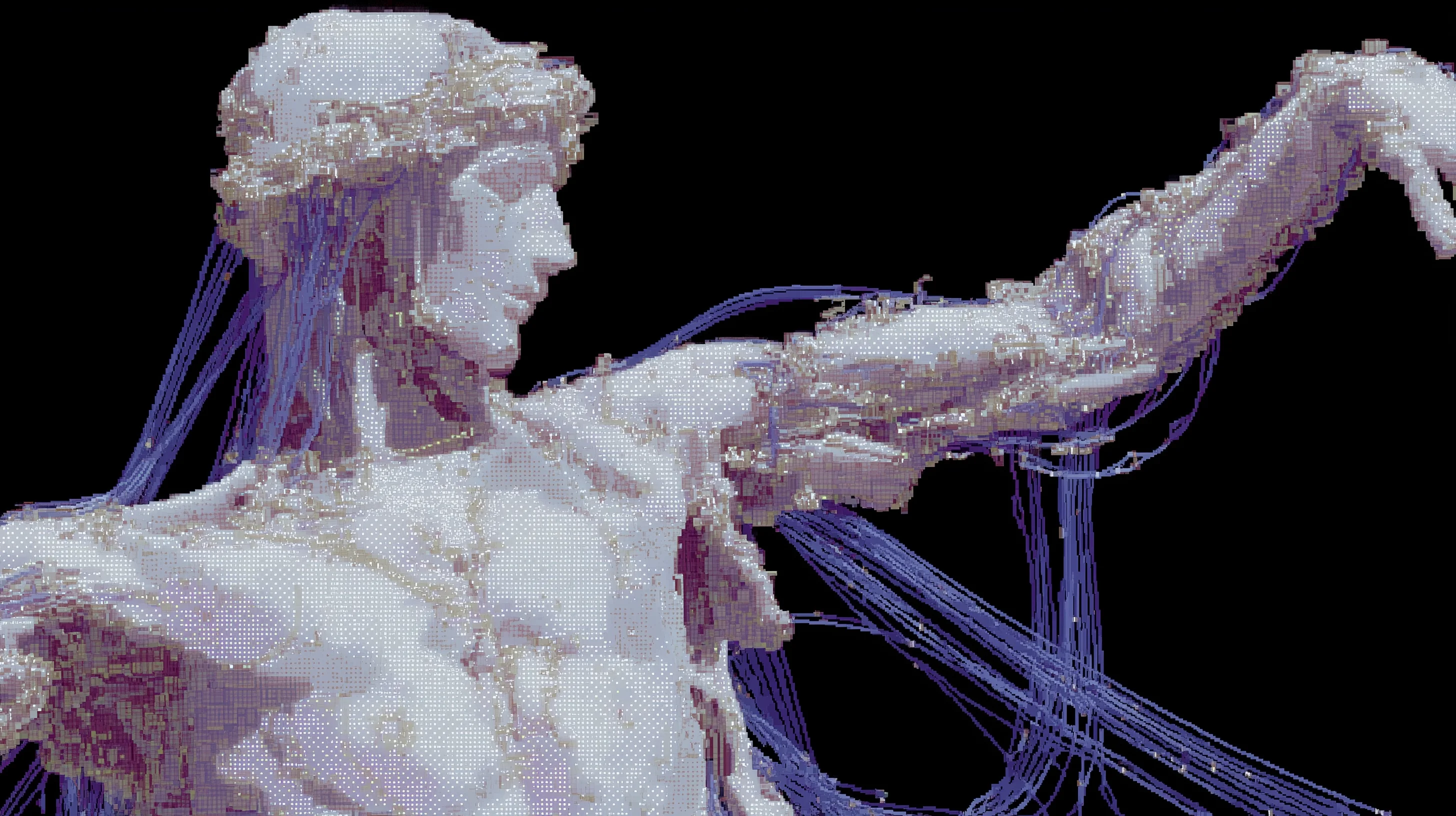
Classical proportions meet pixelated structure. Da Vinci's grid reimagined through the lens of cosmic order and digital pointillism. Every figure here exists at the intersection of mathematical precision and organic beauty — bodies rendered in tiny squares, faces dissolving into data, the human form treated as both sacred geometry and quantum information. Vitruvian asks what structure looks like when you strip everything else away.
Style 05 — Dreamcore: "Take my hand, again."

Fog, soft light, landscapes that feel remembered rather than seen. This world pulls from Jungian archetypes and the logic of dreams — figures appear without explanation, environments shift without transition, and everything carries the weight of meaning you can't quite articulate. The visual language borrows from children's animation and early memory, familiar shapes in unfamiliar contexts. Dreamcore is the world you recognize from sleep.
Style 06 — Samurai: "Bushido."

A bowl of ramen is a story. This world is built on Japanese aesthetics, the discipline of honor, and the fusion of ancient tradition with future vision. Every frame carries the weight of ritual — the way light falls on a blade, the way steam rises from a bowl, the way a figure stands before making a decision. Samurai is about precision, patience, and the understanding that beauty is inseparable from discipline.
Style 07 — Mechalodogrom: "Cybernetics."

Giant machines. The eternal promise that there will always be robots. Inspired by Evangelion's shadow and the entire lineage of mecha as emotional architecture, this world uses scale as its primary weapon. Massive mechanical forms tower over landscapes, dwarfing human figures, creating a constant dialogue between the people who build machines and the machines that outgrow their builders. Mechalodogrom is about the sublime terror and beauty of things we create that become larger than us.
Style 08 — Balloon: "Everything You Do Is A Balloon."

Inflatable textures, marshmallow palettes, tactile surfaces that demand to be touched. This world is soft where every other world is hard. It takes the idea of compression — pressure against a membrane — and turns it into a visual philosophy. Objects look squeezed, rounded, yielding. The color palette is warm and gentle. Balloon teaches that beauty doesn't require edges, and that softness is its own kind of strength.
Style 09 — Kultur: "Ghost."

A world where cultural identity becomes visible as spectral presence. Figures appear like apparitions, layered with the textures and symbols of collective memory. Kultur is about what survives — the cultural fabric that persists through generations, the traditions that haunt the present like ghosts that refuse to leave. The visual language is layered, translucent, heavy with accumulated meaning.
Style 10 — Camera Obscura: "The Knight."
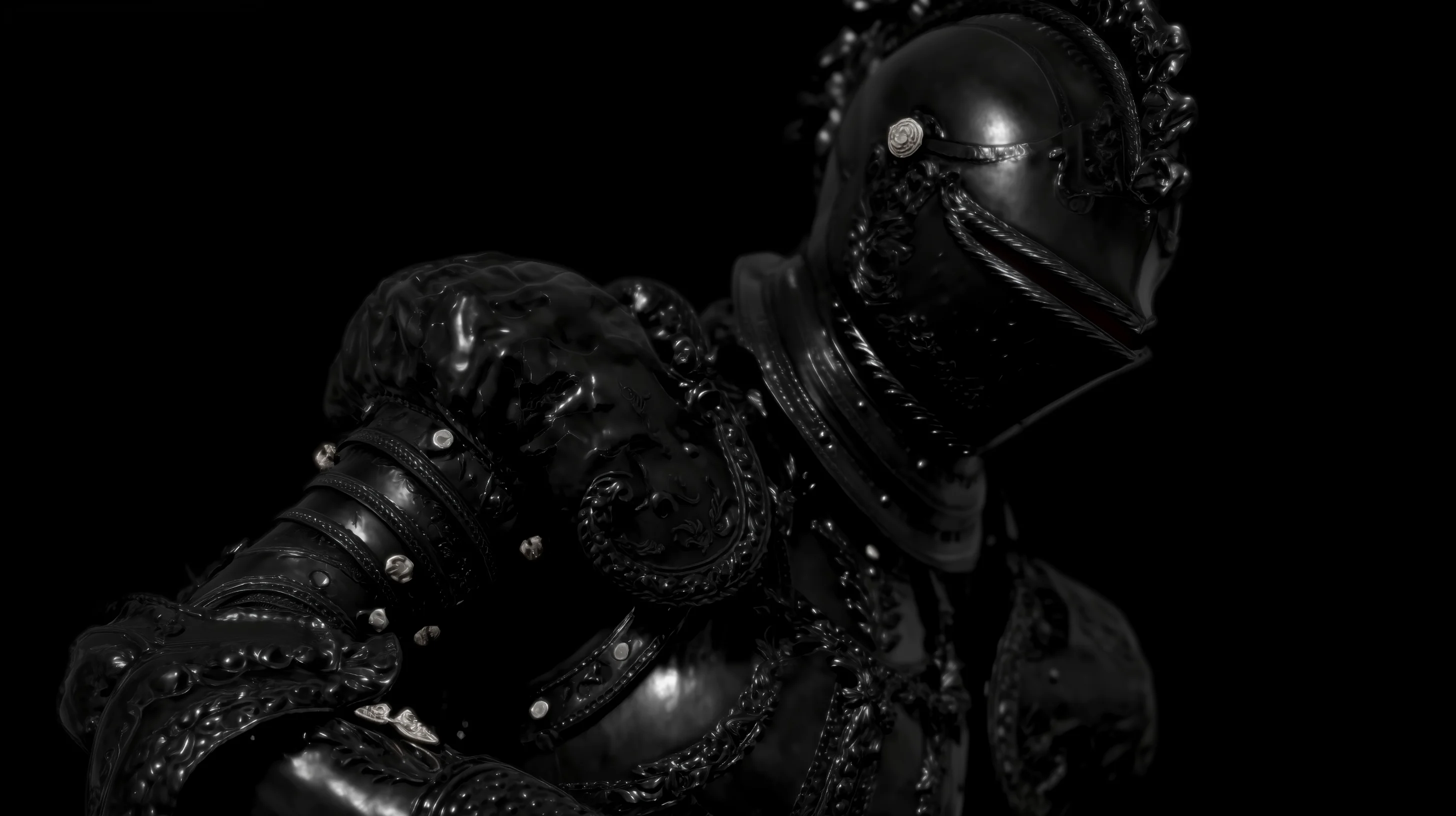
Black and white. Medieval armor. Photography treated as the oldest form of light capture. This world strips everything back to contrast — light against dark, metal against flesh, past against present. The knight is not a historical figure but an archetype of endurance, of the figure who remains standing after everything else has fallen. Camera Obscura is a meditation on persistence, on what remains when color and noise are removed.
What This Codex Is For
The World Building Codex v3 is not a tutorial. It will not teach you how to write prompts. It will not give you a shortcut to viral content. It is a framework for thinking about worlds — a structure you can return to long after the tools have changed.
Every style inside the codex comes with its own sref codes, profiles, and technical parameters. Those are the practical layer — the tools that let you start building immediately. But the real value is the framework underneath. The thirteen fundamentals are yours to keep, to adapt, to build on. They work with any tool, any model, any platform.
I made it free because frameworks should compound. The more people who use this vocabulary, the richer the conversation becomes. The more worlds that get built on solid foundations, the higher the baseline rises for everyone.
Download the codex. Read the fundamentals. Study the worlds. Then close it and build your own.
The codex is live now here.
— Ivan Flugelman / VVSVS