LOG 006: THE RESONANCE CHECK
Stop doom-scrolling for inspiration. The Resonance Check explains why drifting through real-world input produces your most original AI art.
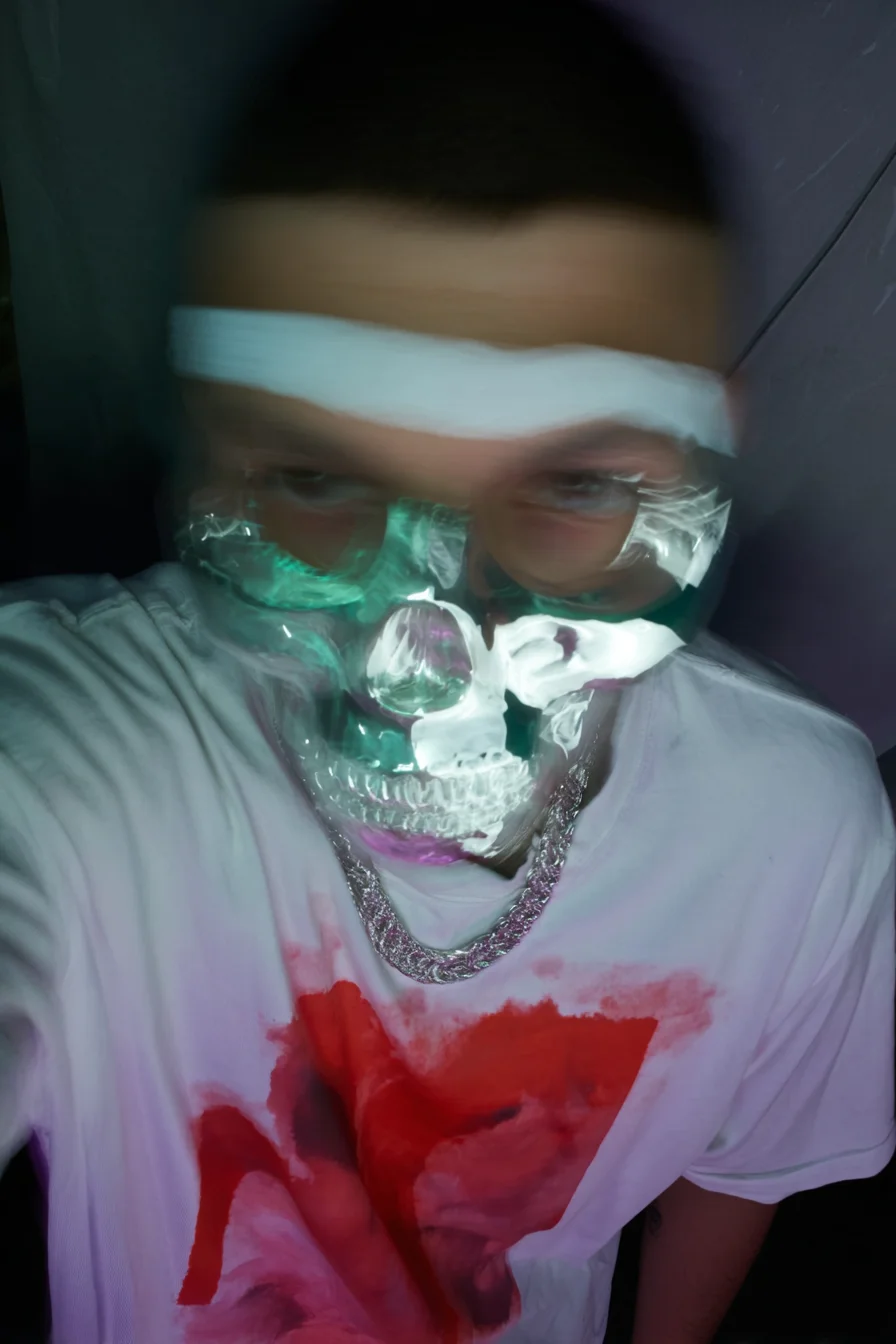
In Log 004, we established the Deep Tank Method—the architecture for storing high-quality inputs to prevent burnout. But there is a critical failure point in that system that we did not address.
You can have the best database in the world and still produce work that feels dead. Why? Because you are collecting without feeling.
I have been away for the last few weeks. I am still on holidays, traveling through new landscapes and exploring my family's past, technically "off the clock." But in reality, I was fully locked in. I'm always are.
I wasn't looking for content. I was letting myself drift. And in that drift, the system began to work.
The Magpie Signal
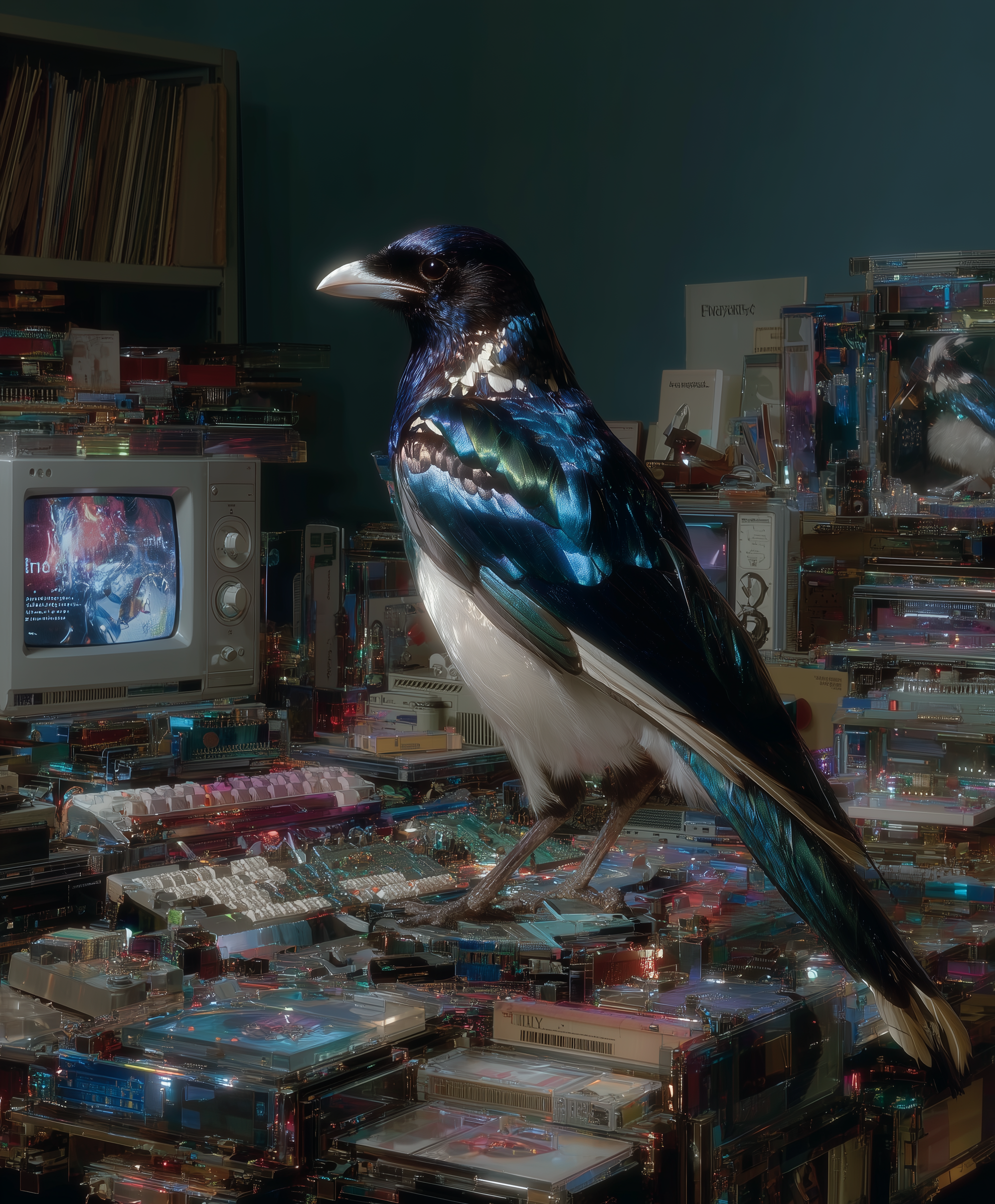
Magpies are the most beautiful birds.
While traveling, I found myself observing the landscape without the pressure of creating or engaging on socials. I started noticing things I had ignored for a long time. I remembered my specific love for magpies—their silhouette, their deep blue colors contrasted by black and white, their movement. They are fantastical animals they love shiny objects and have funerals for their dead. But also, wherever I go, suddenly they appear and remind me that I am always traveling. Strange feeling to communicate to be honest.
I just let that signal hit me.
Later, I sat down and created a piece inspired purely by that observation. I didn't check what was trending. I didn't look at a mood board. I just translated that specific appreciation into an image. One shotted it almost.
The result? It became one of the most beautiful pieces I have created in months (at least for me) but it performed exceptionally well on socials (at least for my standards). Not because it hacked the algorithm, but because it carried a specific resonance. It had a pulse and I think the audience felt it too, it got a lot of honest comments.
The Dinosaur Protocol
A few days later, I visited a museum exhibition about Patagonian dinosaurs (from my country). Again, no agenda. I stood in front of these massive forms, absorbing the scale, the texture, the history.
That input processed in the background. When I eventually opened the tools, I created a series based on that exhibition. Again, for reasons I cannot fully explain, the performance was massive.
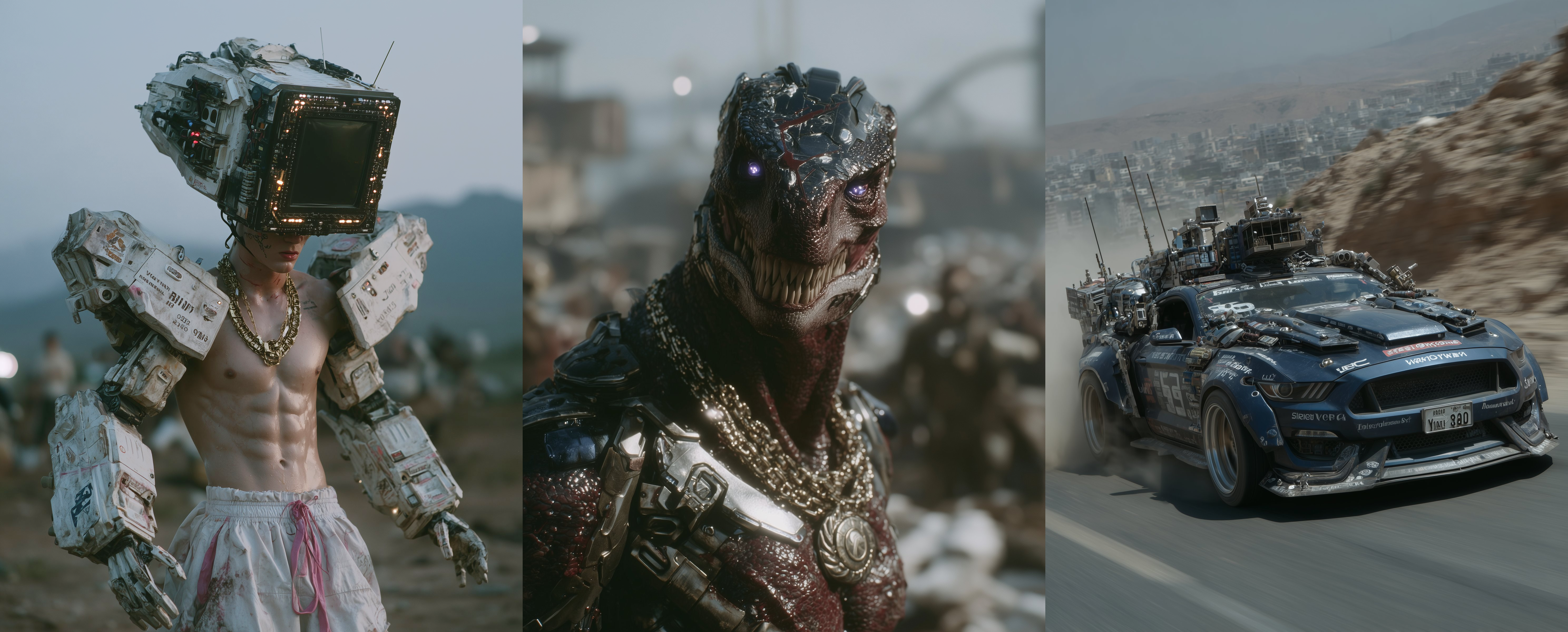
I love robots, dinosaurs, and sci-fi.
The Importance of the Drift
We often think "inspiration" is something we go out and hunt for. We doom-scroll Pinterest looking for answers. But that is Scan Mode. It is transactional.
To produce fresh output, you need to enter Drift Mode.
This is the state where you disconnect from the feed and reconnect with your own taste.
- Scanning looks for what works for others.
- Drifting finds what works for you.
When you allow yourself to drift, to walk through a museum, to look at a bird, to stare at a landscape, you are calibrating your eye. You are remembering what you actually like, distinct from what the algorithm tells you to like.
The Resonance Check
If your output feels stale, it is likely because your input has become too narrow. You are recycling the same digital references as everyone else.
> The fix is not to work harder. It is to step away.
Go look at something ancient (Dinosaurs). Go look at something living (Magpies). Let your mind drift until you feel that click, that resonance. That is the only signal worth following.
Fresh input is the only path to fresh output.
I have updated my website, I am setting the foundations for the launch of the World Building Codex V02, it is ready, I just need to finalize proof reading it, package it and prepare the launch and it will be out very soon!
Thank you all for your support and helping me grow! It's a wild ride!
—Ivan