← Cinematique Editing · Basic

Fast Motion Prompt for AI Image & Video

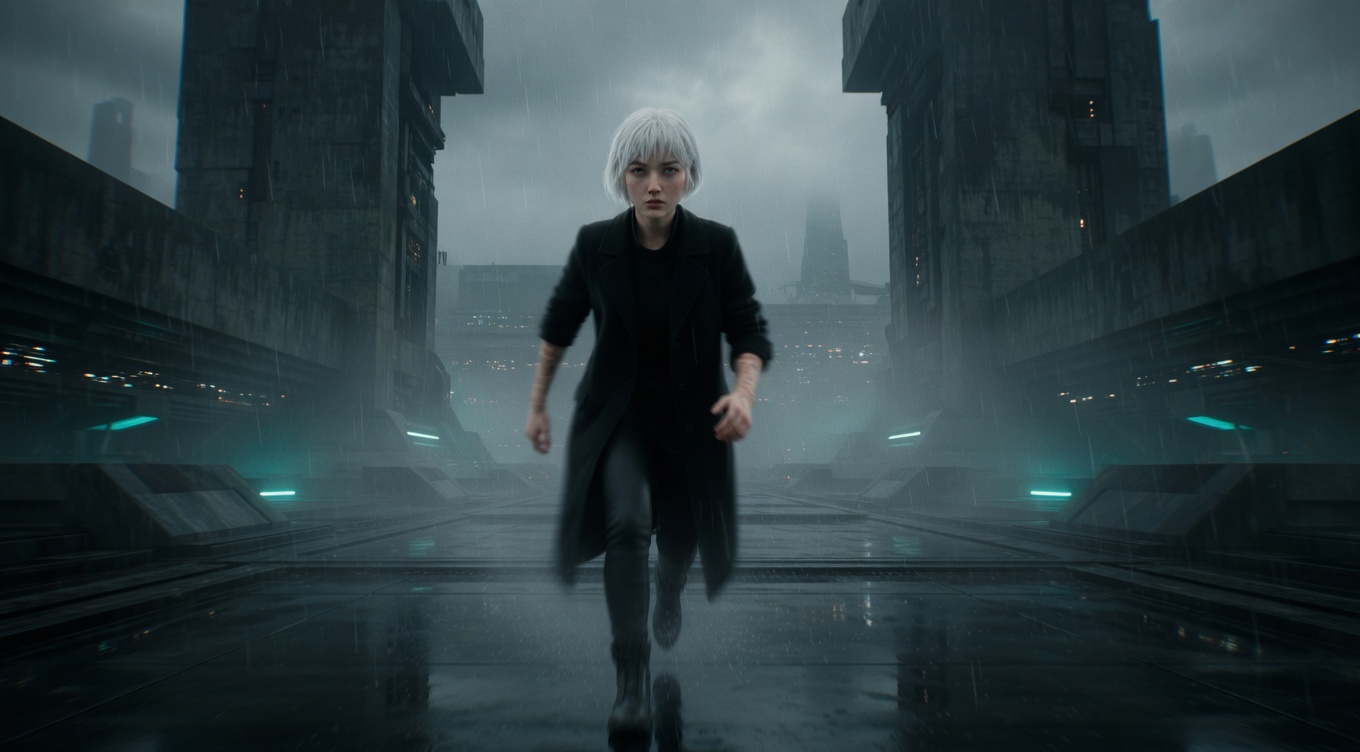
Fast Motion cinematic example

Footage played back faster than it was captured, compressing real-time action to create comedy, frenetic energy, or an accelerated sense of unstoppable momentum. Buster Keaton and Charlie Chaplin used undercranking to create the frenetic comedy of the silent era. Stanley Kubrick used fast motion for the threesome scene in "A Clockwork Orange" set to William Tell's Overture. Guy Ritchie employs speed ramping and fast motion in "Snatch" and "Lock, Stock and Two Smoking Barrels" as a signature stylistic device. Wes Anderson uses deadpan fast motion in montage sequences throughout "The Royal Tenenbaums" and "The Grand Budapest Hotel."

By Ivan Flugelman · Reviewed 16 July 2026

Prompt template

Fast motion sequence of [Subject] accelerated to four times normal speed, the slight jerkiness of undercranked footage adding comedic effect, every movement purposeful but absurdly accelerated, the Buster Keaton energy of a body moving faster than physics allows, warm light consistent but shadows racing across surfaces

Replace [Subject] with your own character or scene. The prompt is technology-agnostic and works as a starting point for AI image or video generators.

When to use Fast Motion

Use fast motion for compressed routines, frantic escapes, mechanical work, comic physicality, or bursts of momentum that would drag at normal speed. It is strongest when the audience already understands the action and can enjoy its accelerated rhythm. Use it selectively inside a sequence; sustained speed can flatten emphasis, while a short burst can make an ordinary movement feel absurd, efficient, or dangerously out of control.

Directing the AI

Stage the action in a readable wide or medium frame, then specify playback at roughly four times normal speed. Keep movement paths simple, purposeful, and continuous so acceleration remains legible. Let bodies and props carry a slight undercranked jerkiness when comedy is wanted, but preserve stable backgrounds and consistent light. Use racing shadows only if time itself is passing. End on a clear action beat rather than cutting during visual confusion.

Common mistakes

  1. Accelerating complicated blocking until characters overlap, props teleport, and the audience can no longer follow cause and effect.
  2. Using fast motion for emotionally delicate acting, where facial nuance and hesitation need real duration to register.
  3. Mixing rapid playback with uncontrolled camera shake, producing visual noise instead of comic or kinetic rhythm.
Sources and further reading

  1. What Is Film Editing? — StudioBinder
  2. Types of Editing Transitions in Film — StudioBinder

A shot is not a world

Learn the fourteen fundamentals for building consistent characters, environments, visual logic, and stories that expand beyond one beautiful frame. Get World Building Codex 3.0 free, or explore the World Building Academy.

Related techniques

Slow Motion

Footage captured at a higher frame rate than playback speed, stretching time to reveal details invisible at normal speed and amplifying impact, beauty, or emotional weight of a moment. Sam Peckinpah revolutionized screen violence with the slow-motion bloodbath of "The Wild Bunch," making destruction simultaneously beautiful and horrifying. The Wachowskis' "bullet time" in "The Matrix" became a cultural phenomenon, while Zack Snyder made speed ramping — shifting between slow and normal motion — his signature in "300." Wong Kar-wai uses slow motion with step-printing in "In the Mood for Love" to transform a woman walking past a noodle stand into pure visual poetry.

Montage

A sequence of short shots edited together to compress time, convey information, or build emotional momentum — from training sequences to falling-in-love sequences, montage is cinema's time machine. Sergei Eisenstein theorized montage as cinema's unique art form in the 1920s, and his Odessa Steps sequence in "Battleship Potemkin" remains the most studied montage in film history. Rocky Balboa's training montage set to "Gonna Fly Now" defined the modern montage for a generation. Martin Scorsese uses montage in "Goodfellas" to compress years of criminal excess into exhilarating minutes, and Edgar Wright creates kinetic comic montages in the Cornetto trilogy.

Jump Cut

A cut between two sequential shots of the same subject from a similar angle, creating a jarring jump in time — once considered a mistake, now used intentionally for energy, anxiety, or time compression. Jean-Luc Godard made the jump cut famous in "Breathless" (1960), using it partly out of necessity to trim a too-long film and partly as a deliberate rejection of smooth Hollywood continuity. The technique became a signature of the French New Wave and has since been adopted by filmmakers from Guy Ritchie to Gus Van Sant. Darren Aronofsky uses rapid-fire jump cuts in "Requiem for a Dream" to convey the fragmented consciousness of addiction.