← Cinematique Storytelling · Basic

Cliffhanger Prompt for AI Image & Video

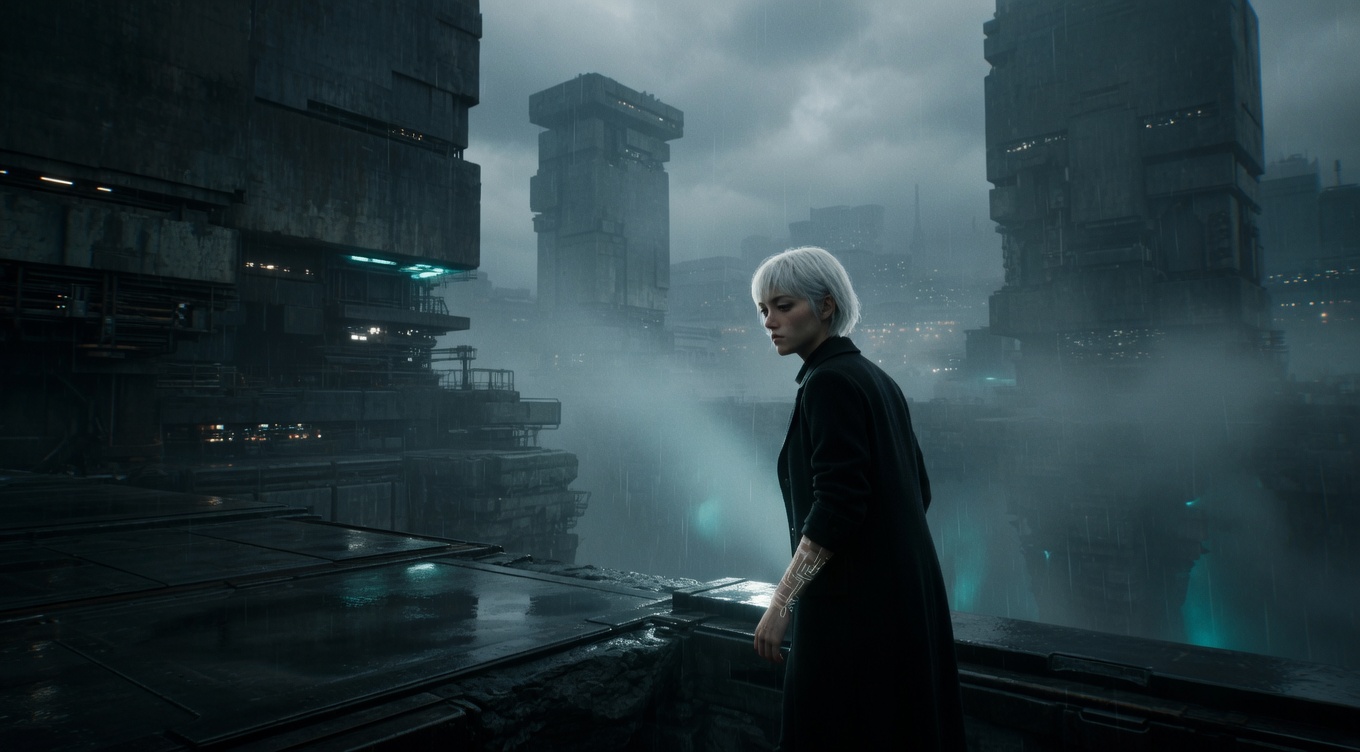
Cliffhanger cinematic example

Ending a scene, episode, or act at a moment of peak suspense, leaving the outcome unresolved and exploiting the human need for closure to keep audiences desperate for more. The term comes from Thomas Hardy's serialized novel "A Pair of Blue Eyes," where a character literally hangs from a cliff. "The Empire Strikes Back" ends on one of cinema's greatest cliffhangers — Han frozen in carbonite, Luke maimed and shattered by Vader's revelation. Television perfected the cliffhanger with "Dallas" 's "Who shot J.R.?" and "Breaking Bad"'s mid-season endings. Christopher Nolan ends "Inception" on a philosophical cliffhanger with the spinning top.

By Ivan Flugelman · Reviewed 16 July 2026

Prompt template

Cliffhanger moment frozen at peak suspense with [Subject], the image capturing the exact instant before resolution, the viewer's need for closure weaponized into desperate anticipation, dramatic sidelighting creating hard shadows that emphasize physical strain, the visual language of unresolved tension that demands continuation

Replace [Subject] with your own character or scene. The prompt is technology-agnostic and works as a starting point for AI image or video generators.

When to use Cliffhanger

Use a cliffhanger at an act, episode, or scene break when the unresolved outcome can pull the audience forward. The best version stops after the stakes are understood but before the decisive action, answer, or consequence arrives. It works for physical danger, revelations, choices, and emotional confrontations. Avoid using it on minor information; the interruption must leave a genuine narrative pressure that the continuation can satisfy.

Directing the AI

Build toward one irreversible beat, then frame the exact instant before impact, response, escape, or revelation. Use hard side light, compressed space, strained posture, and a clear eyeline toward the unresolved threat. Let the final image contain the question visually without explaining it in text. Cut away before movement completes, not before the audience understands what may happen. Preserve enough detail for the next scene to resume from the same physical and emotional position.

Common mistakes

  1. Ending before the stakes are visible, creating simple interruption rather than suspenseful unresolved pressure.
  2. Resolving the dangerous action inside the final frame, then pretending the aftermath is still a cliffhanger.
  3. Using cliffhangers repeatedly without satisfying prior questions, which converts anticipation into audience distrust.
Sources and further reading

  1. How to Make a Short Film: An Introduction to Filmmaking — BFI / FutureLearn
  2. Filmmaking Resources for Teachers — British Film Institute

A shot is not a world

Learn the fourteen fundamentals for building consistent characters, environments, visual logic, and stories that expand beyond one beautiful frame. Get World Building Codex 3.0 free, or explore the World Building Academy.

Related techniques

Freeze Frame

Action suddenly stops as a single frame is held on screen — the exclamation point of cinema, used for endings, revelations, or comic emphasis. François Truffaut's freeze frame ending of "The 400 Blows" — young Antoine Doinel reaching the sea and turning to look directly at the camera as the image freezes — is one of cinema's most iconic final images. Martin Scorsese uses the freeze frame throughout "Goodfellas" as a storytelling device, and the final freeze frame of "Butch Cassidy and the Sundance Kid" immortalized its heroes mid-action. Spike Lee employs freeze frames with title cards as a recurring stylistic device.

Foreshadowing

Planting subtle hints of events to come — a cracked mirror, a line of dialogue, a color choice — details that seem innocuous on first viewing but become devastating on rewatch. Stanley Kubrick embedded foreshadowing details so densely in "The Shining" that the documentary "Room 237" is dedicated entirely to analyzing them. M. Night Shyamalan structures "The Sixth Sense" so that every scene contains foreshadowing of the twist ending. The Coen Brothers plant narrative seeds early — the wood chipper glimpsed in the first act of "Fargo" becomes the instrument of horror in the third. Denis Villeneuve's "Arrival" hides its entire twist in plain sight through carefully constructed visual foreshadowing.

In Medias Res

Beginning the story in the middle of the action rather than from the chronological start, hooking the audience immediately and creating mystery about how we got here. The technique dates to Homer's Odyssey and has been a staple of cinema since film noir. Quentin Tarantino opens "Reservoir Dogs" in the aftermath of a heist gone wrong, and Christopher Nolan begins "The Dark Knight" mid-robbery. The Coen Brothers drop viewers into the middle of violent chaos in "No Country for Old Men." Sam Mendes opens "American Beauty" with Kevin Spacey narrating from beyond the grave, and Danny Boyle begins "Trainspotting" with a full-sprint chase sequence set to Iggy Pop.