Thesis
Not a genre. A position. The thing that decides which of two beautiful images survives.
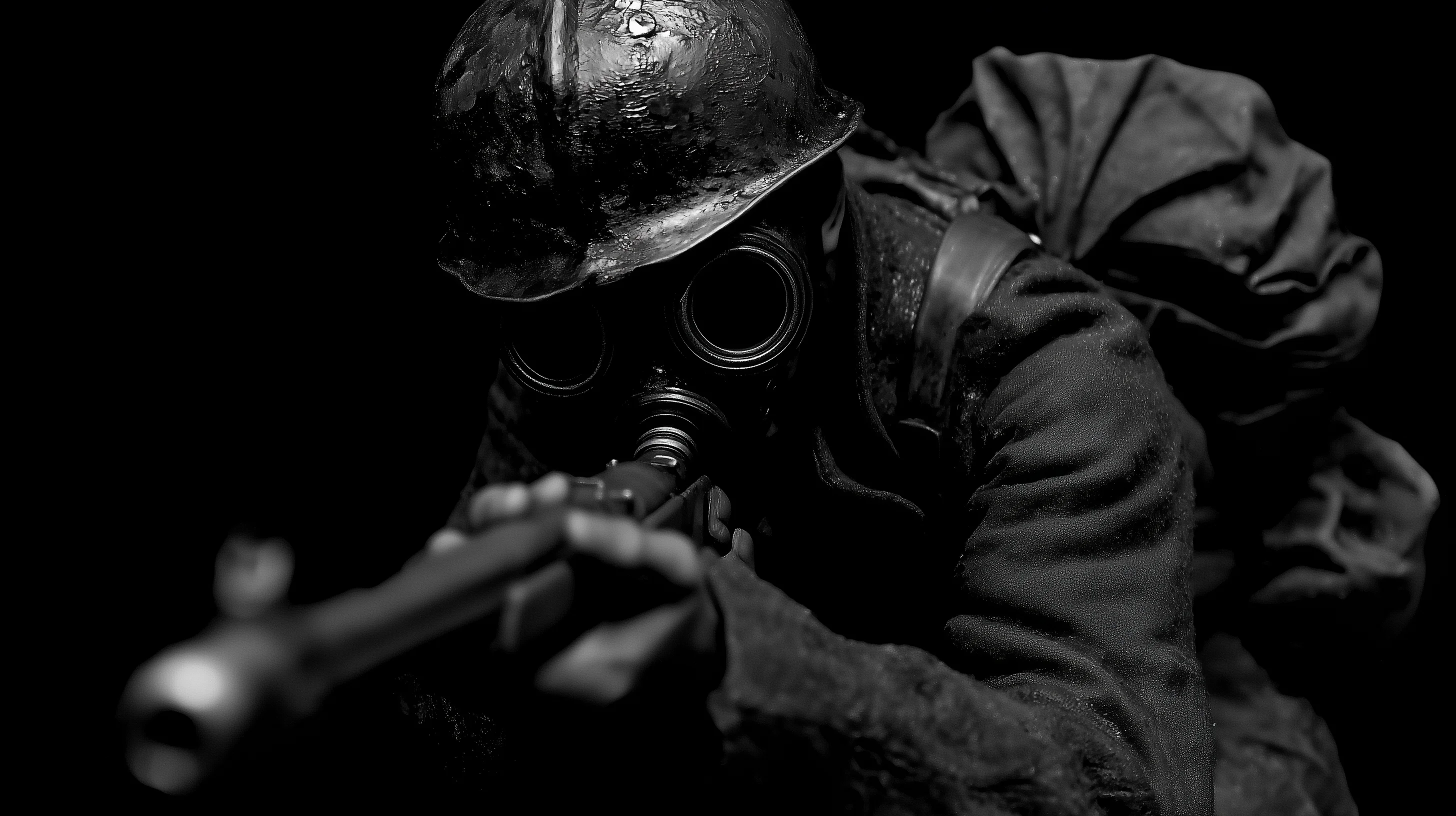
Generation is cheap. Curation is expensive. This is the fundamental that decides whether your work compounds.
By Ivan Flugelman · 10 min read · Updated 2026-08-18
This is the most important skill you will develop, and the only one that gets harder as the models get better.
When output was scarce, the skill was making something good. Now output is unlimited and the skill is deciding what deserves to exist. Everyone can generate. Almost nobody can delete.
This is the Rejection Matrix, and it is the mechanism by which a world becomes a world instead of a folder.
The hardest images to cut are not the bad ones. Bad images are easy. The hardest are the technically excellent images that belong to a different world.
Every time you keep one, you teach your audience that the rules are negotiable, and the world loses a little of its gravity. Ten such decisions and there is no world left, only a portfolio.
The question is never “is this good?” The question is “does this belong?” Those are different questions and only the second one builds anything.
Without rejection, you get a feed. With rejection, you get a world.
A working session, in realistic numbers:
If your ratio is much softer than this, you are publishing a feed. Five percent is not pessimism, it is the price of coherence, and it is the same ratio any working photographer or editor would recognize.
Concretely, these go, regardless of quality:
Never judge an image on its own. Put twenty of them in one grid at thumbnail size and look at the grid, not the images.
At that size, individual quality becomes invisible and coherence becomes obvious. Palette drift jumps out. Tonal breaks jump out. The one image that belongs to another world is unmistakable, and it is usually the one you were most proud of.
This single habit does more for a body of work than any prompting improvement. It is also how you find out whether you have a visual language at all, because a world with a real system reads as one texture at thumbnail scale.
Editing is the enforcement layer for every other fundamental. Run the image against each:
A realistic audit of forty images from one session in a quiet, still world:
The interesting group is the third one. Fifteen good images that are generically correct is the most common failure in AI work, and it has nothing to do with skill. It is what happens when a world has a look but not laws.
Everything above is the whole method. The World Building Academy is the part a page cannot carry: the fundamentals on video, a full world built end to end, the Render Stack, motion, editing, and the case studies. Or start with the free Codex.
Not a genre. A position. The thing that decides which of two beautiful images survives.
The system repeats. The content varies. Every world that feels alive is doing both at once.
Not how fast things move. How fast the audience is allowed to understand.