LOG 021: You Can Change an Entire Industry by Yourself
A game takes years, a studio and millions. I made a gameplay trailer for a game that doesn't exist in 6 hours across two days. The full workflow, the prompts, and the one thing you still can't prompt.
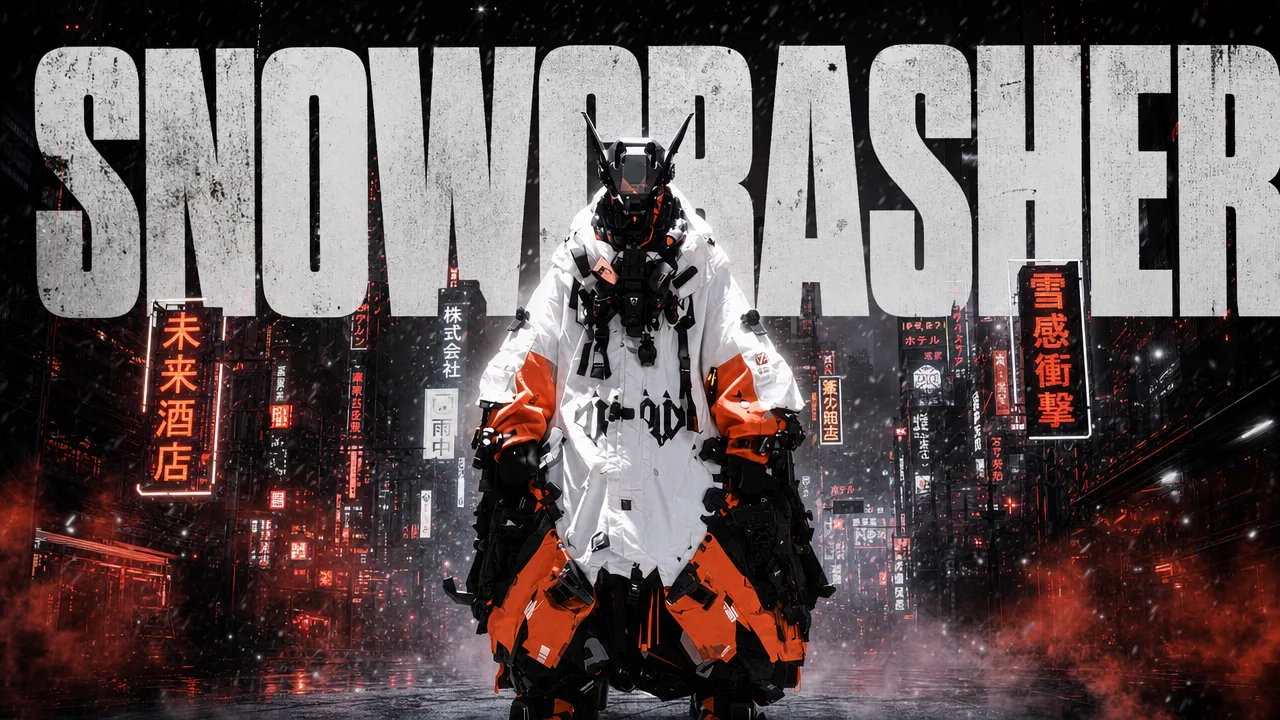
A game takes years, a studio and millions. Until now.
If you wanted to propose a new videogame two years ago, you needed a studio behind you. Concept artists, character designers, animators, a cinematic team, a publisher willing to put money in. Years of work before anyone could see what you had in mind. And even then, nobody funds a world without an audience. I know because I spent the last 3 years trying to sell immersive worlds streamed to any browser or device. People found it really cool. Then they put their money into Roblox and Fortnite.
So the industry stayed the same. A few studios decide what gets made. Everyone else waits in line for their turn.
Now look at what is coming. World models. Genie 3, Happy Oyster, Marble. You describe a scene and walk through it in real time. They are clunky, expensive and after 20 seconds the hallucinations go wild, but billions are going in, and in 6 to 12 months people will prompt the game they want to play and just.. play it.
That breaks the whole industry open. And most creators still don't understand how much leverage that puts in their hands. When I showed some old colleagues from film what I've been making, they said "yeah, it's cool... for testing ideas."
So this week I tested that idea. I made a gameplay trailer for a game that doesn't exist. 6 hours across two days.
Here is how, step by step.
Hunting for credits
I wanted to test Seedance 2.5 and see what the main difference was with 2.0, which is already super powerful. Therefore my first quest was to find a provider of credits that actually makes sense to spend.
At the same time I knew that if I would go directly to the source in ModelArk, I would get the cheaper prices, but the bigger issue was that generating people with AI is locked. You have to pay extra to get that option and verify that the person you are generating is ok with doing it in AI, and even if you would try AI generated people it wouldn't allow it. So I found a wrapper called SeeGen online that for $99 got me a lot of credits, fair priced, and started my first tests with Seedance 2.5.
In the beginning, I noticed that overall quality was better than 2.0. Movements. I even tried the bullet time shot that I've seen endlessly online. Good stuff, good test, and using one of my characters the output felt like a videogame. The aesthetics, the movements, the action.
So I decided to go one level deeper, and I started playing around generating character sheets. I wanted to crack down on that technique, so I went deep on that rabbit hole and created several prompts for those character sheets.
Character sheets got much better, especially with tools like Nano Banana 2 and GPT Image.
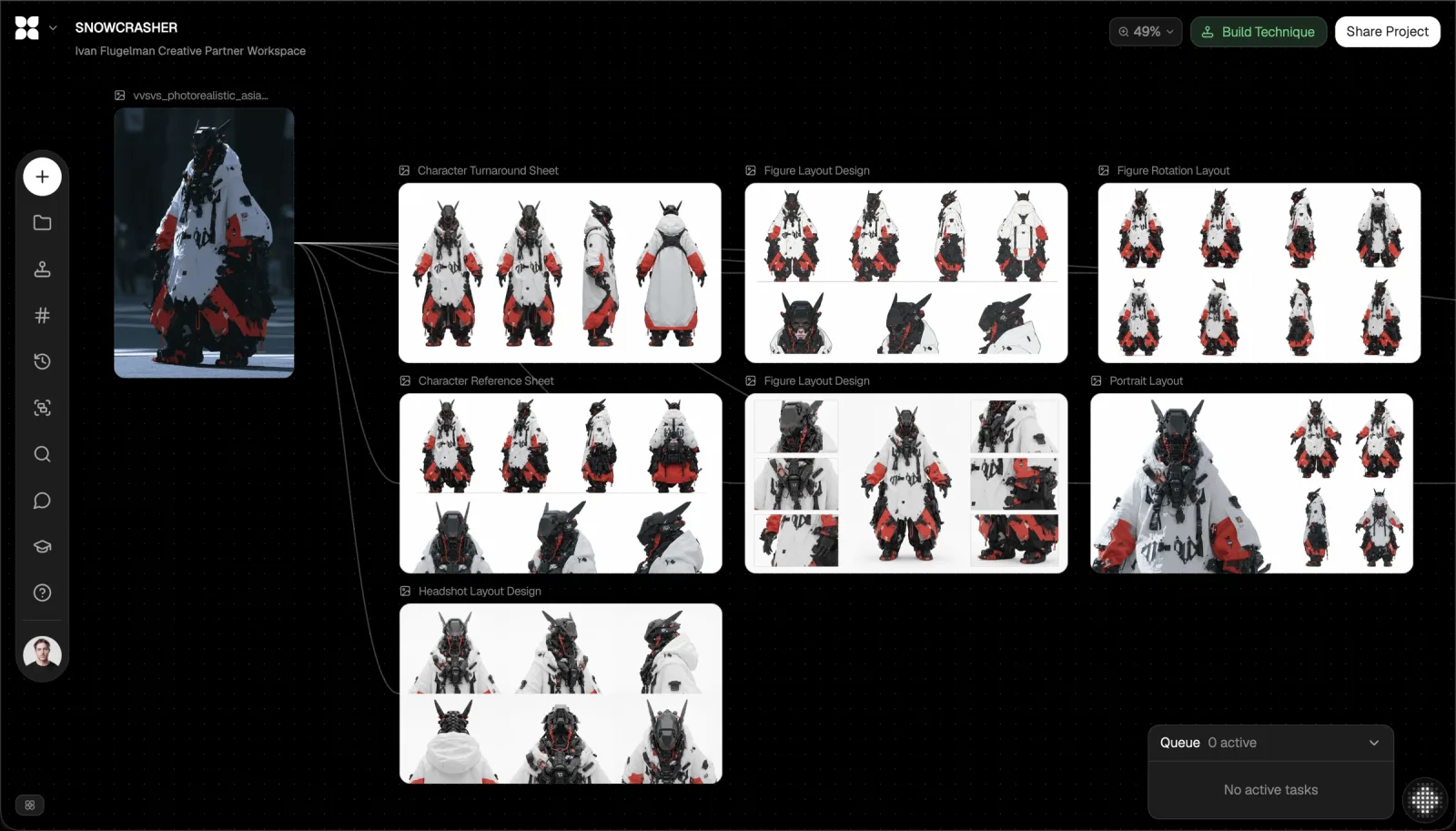
`` Character turnaround reference sheet on a pure white seamless background. Four full-body views of the same character in one horizontal row, left to right: front view, three-quarter front view, side profile view, rear view. All four figures at identical scale, standing on the same horizontal baseline, heads aligned at the same height, orthographic flat projection with no perspective distortion and no foreshortening. ``
How would this look as a game?
So I decided to run some tests. I wanted to see if I could generate gameplay footage. So I went into Claude and asked it to read the Seedance 2.5 documentation and give me a prompt for a 30 second generation. And the results actually blew me away. The physics, the light, the material weight, everything was super cool. The model recommends up to 7 shots max for 30 secs, so I tried to tell a whole story in 30 seconds.
Not bad, but things were missing. UI elements, a nicer robot, cooler designs for the final boss.
So I went back to Claude and told him what ideas I had in mind. With the current style reference I had on Midjourney, I generated some characters for NPC baddies, and for the final boss mecha robot. It had to be as spectacular or more than the main character and obviously worthy of the world I was building.
I have to say that Seedance 2.5 is very good at just grabbing single images as reference, and it's very good at maintaining consistency for 30 seconds even within different generations. But I wanted to visualise the world before diving deep into generations.
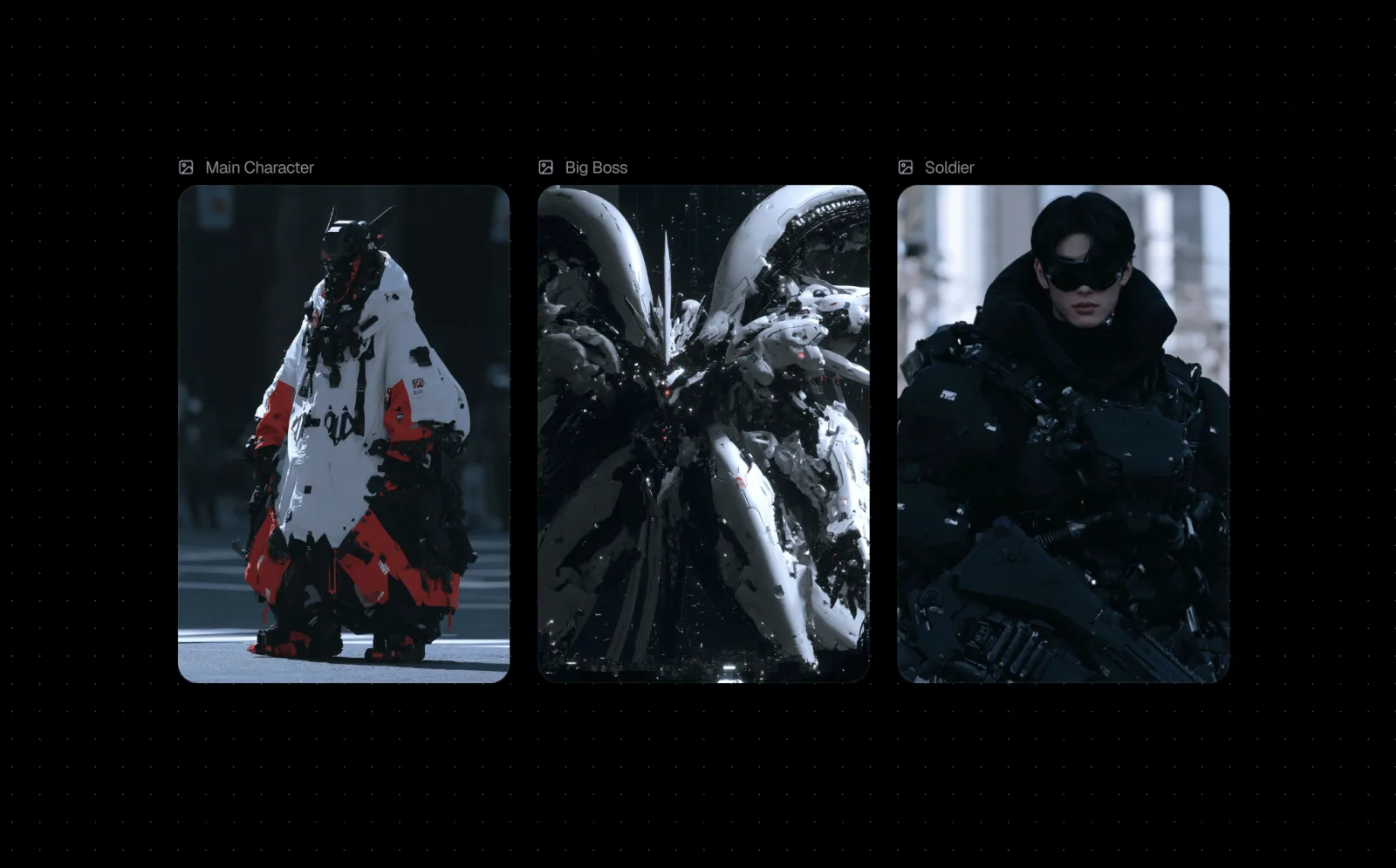
So, I started to get ambitious.
I went back to Claude and told him the scenes I wanted to generate, how certain parts needed to be longer and how some parts needed to be shorter.
Claude did a great job setting up the prompt, let me break it down for you. It set up global rules that were consistent across generations regarding characters, world, physics, etc. It set up the characters in a good way in the premise, and then went into hardcore detail for each scene.
``` In-engine third-person shooter gameplay capture, 30 seconds, 16:9, six shots separated by hard cuts. Boss fight, second half — the player takes the machine apart from close range.
GLOBAL RULE — this is a screen recording of a game, not a film. Flat even exposure, deep focus, everything sharp front to back. No cinematic depth of field, no film grain, no anamorphic flares, no color grading. The camera behaves like a player-controlled game camera: rigid follow distance, heavy shake on impacts, snap turns.
BULLET TIME RULE — three named windows below. Each runs at full speed, ramps down hard to roughly one-fifth speed, holds, then ramps back to full within the same shot. During each window: a cool blue desaturated tint washes the screen, visible white bullet tracers streak through frame, thin motion trails follow his limbs, and one HUD ability icon drains as a vertical bar and refills when the ramp ends.
HUD — present and unchanged in every shot, drawn as thin white and red geometric shapes only, never as readable words: a segmented horizontal health bar lower left showing a single flashing segment at the start and slowly regenerating across the video, a circular ammo gauge lower right, a square minimap upper right, a thin diamond crosshair centred, three ability icons along the bottom edge, and a long segmented red boss health bar across the top of the screen starting near full and draining in large visible steps as the video progresses. Small white hit markers flash at the crosshair on every impact. All HUD elements stay locked to the screen. ```
Then as I got more ambitious I started generating more and more, because I just couldn't stop. Each generation was so good, I wanted more and more. Seedance 2.5 is pretty expensive, but 30 second generations is actually a lot of value.
Every prompt from the film is on the SNOWCRASHER prompts page. All four scenes, the global rules, the HUD block and the character sheets, free and no signup.
The 4K trap
720p output was great, but I remembered I had some leftover credits from an upscaler (Topaz Astra) and I wanted to see the quality. And the first generation was so good I had to go all in to 4K. I've had some issues in the past upscaling work, particularly AI work, where the upscale makes everything very sloppy, but the results here were super crisp. It was probably a mixture between the models getting better and the videogame aesthetic that helped with the upscale, and it really pushed the level.
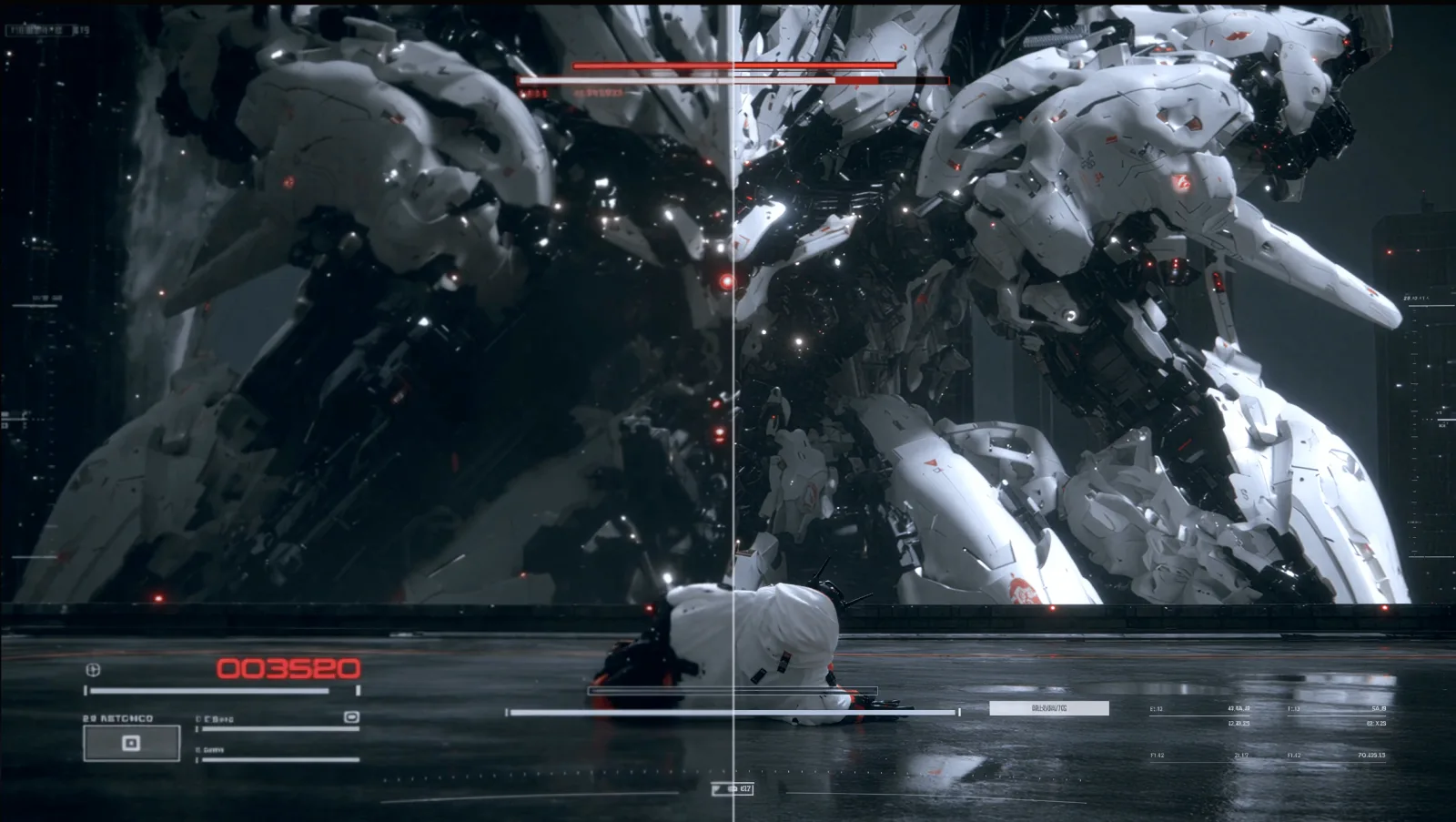
I have always been kinda lazy when it comes to quality output. Very few people will go for 4K, most of my audience lives on mobile, therefore there was no big need to overinvest in higher resolution crispy output. But once I had the upscaled version in DaVinci and compared it with the next shot, the whole rest of the work would fall apart.
It is like when you go shopping for a new pair of shoes, and suddenly you realise you need new pants, new t-shirts, and a new iPhone.
So I ended up overinvesting $20 to get all my shots ready, and went deep into editing in DaVinci.
The final result was crazy. I was so excited, because it was a long time since I had invested a lot of work on a piece. The last long one was RE/START and it felt like more work, since the story here is a bit more linear, and the videogame gameplay style makes it easy to jump from scene to scene. I also wanted to play a bit with typography. I went with a classic IMPACT font that I thought fit the aesthetic, and tried to add narrative overall to the gameplay and infuse some more personality and fun to the final piece so it felt more processed.
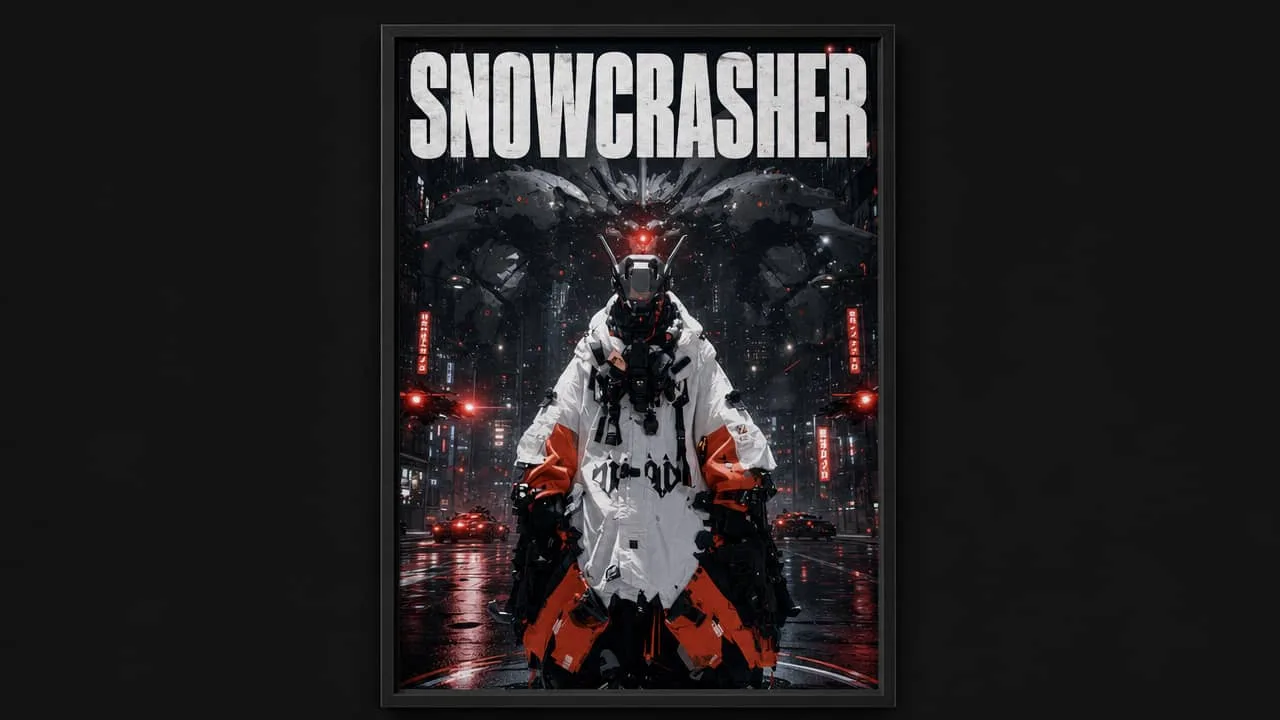
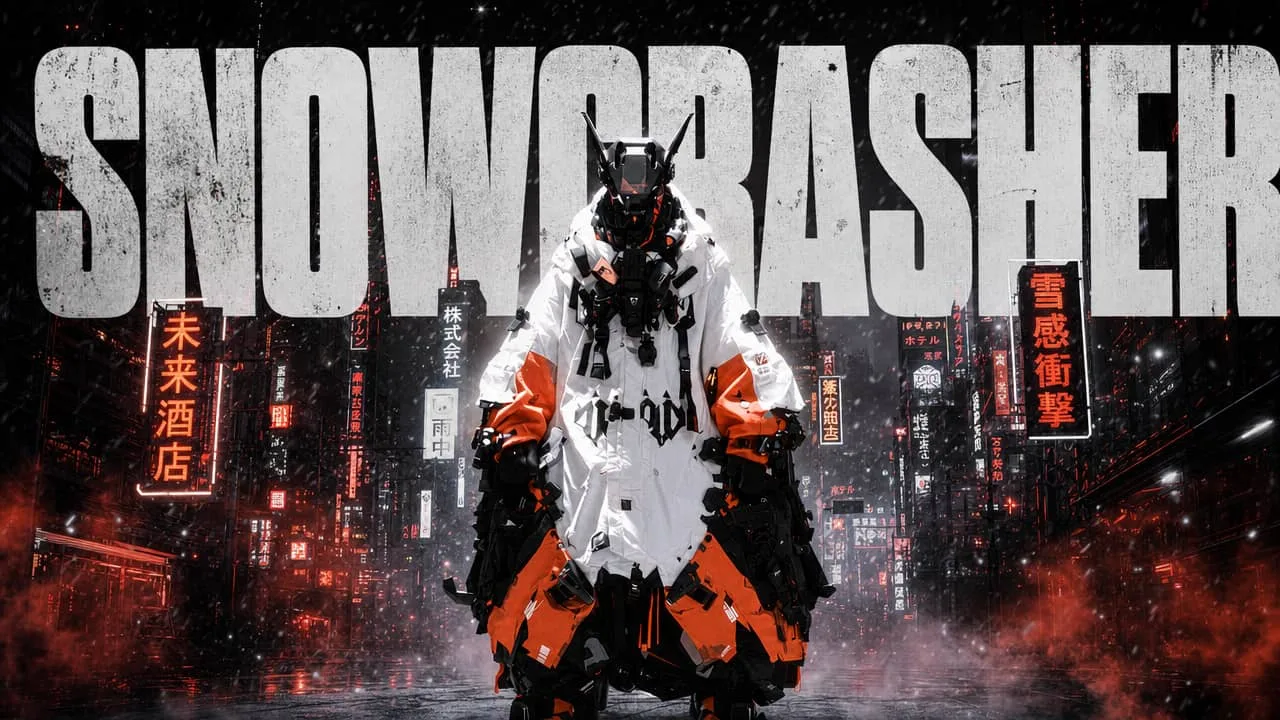
Then finally I went back to Flora and used it to generate the YouTube thumbnail, and some branded elements, movie posters, etc. to wrap up the whole package.
What this actually means
The piece did quite well on X overnight, although I thought it would hit harder. I guess I'm pretty late to the fake AI videogame gameplay hype. I could've rage baited the title a bit harder. But the trailer is not the point. The point is what it proves.
I got asked in the comments "What would it take for this to be live?" A real videogame will still take years. But think about what just happened. One person, in 6 hours, proposed a game. Characters, world, boss, gameplay, a package with posters and a thumbnail. That used to be the output of a preproduction department over months. Now a creative director with taste and these tools can pitch a game that doesn't exist, iterate on it in a day, and put it in front of an audience the same night.
And this is just the trailer stage. Animators still need to give the rigs personality, cinematic directors still need to stage the scenes. But every one of those stages is getting accelerated, and with world models the last step disappears. You prompt it, you play it.
So yes, my colleagues are right that it's cool for testing ideas. What they miss is that testing ideas was the expensive part. That was the gate. And the gate is gone.
But you can't prompt a point of view
Here is the problem nobody is talking about yet.
If you can prompt anything you want, you are still outsourcing the story to AI. If every game is tailored to you, you won't be able to share the experience with your friends, the same way people cry with the ending of Red Dead Redemption or The Last of Us.
The thing that gets people into a game is story and gameplay mechanics first, aesthetics and world building second, community and distribution after that. And above all of it, vision. An author or creative director that people trust will deliver a great experience to them.
I'm reading The Art of Doing Science and Engineering by Richard W. Hamming. He talks about Arthur Samuel's checkers program in the 50s, one of the first AI models, which learned by playing against itself until it beat a state champion. Back then the assumption was obvious: once the computer beats the human, the game is over. Nobody will care anymore.
To that point, I'm spending a lot of time with my son playing chess and watching Magnus Carlsen videos, and I can tell you the opposite happened. Chess is an esport now. Streams, YouTube, scandals, real prize money, a community bigger than it ever was. The engines didn't kill it. They made everyone stronger and then people went looking for someone to follow. Magnus. Hikaru. The personalities. The human behind the machine.
That is what happens to games when the machine can make any game. And it is what happens to film when the machine can shoot any scene. The value doesn't go to the engine. It goes to the person people want to follow into a world. Someone with taste, a point of view, and a world worth coming back to and sharing with others.
Chess didn't get rebuilt by a federation. It got rebuilt by a handful of people who had a point of view and the tools to broadcast it. Games and film are about to have the same moment, and this time the tools make the worlds too.
This is the part that should excite you, not scare you. For 20 years I needed a crew, a budget and someone's permission to show what was in my head. Now I need an idea and a weekend. The same is true for you, whether you come from film, animation, games, design or never worked in any of those.
There will be slop for every new model, for every new medium. Most people will stay stuck generating cool images and sharing them on socials. That's fine. It leaves the room open for the ones who finish things.
I made a gameplay trailer for a game that doesn't exist in 6 hours. That used to be an industry. Now it's a weekend.
Industries don't change because a company announces a new model.
They change when one person shows everyone else what is now possible. The film/animation people who told me this was for testing ideas will change their minds when they see enough finished work they can't ignore.
Not from a studio.
From people like you.
So pick the thing you were always told needs a team.
A game, a film, a series, a world. Finish one piece of it this month and put it in front of people. That is how you change an industry by yourself. It's not a metaphor anymore.
Links and references mentioned
- SeeGen — Seedance wrapper platform
- Topaz Astra — 4K video upscale
- DaVinci Resolve — editing, free
- Untold: Chess Mates — documentary about the current state of competitive chess
- RE/START — my sci-fi spec concept
World models
- Genie 3 — Google world model
- Happy Oyster — Alibaba Cloud world model
- Marble — from Fei-Fei Li
Affiliate links
- Flora, 25% off for 6 months
- The Art of Doing Science and Engineering by Richard W. Hamming