← Cinematique Genres & Styles · Advanced

Slow Cinema Prompt for AI Image & Video

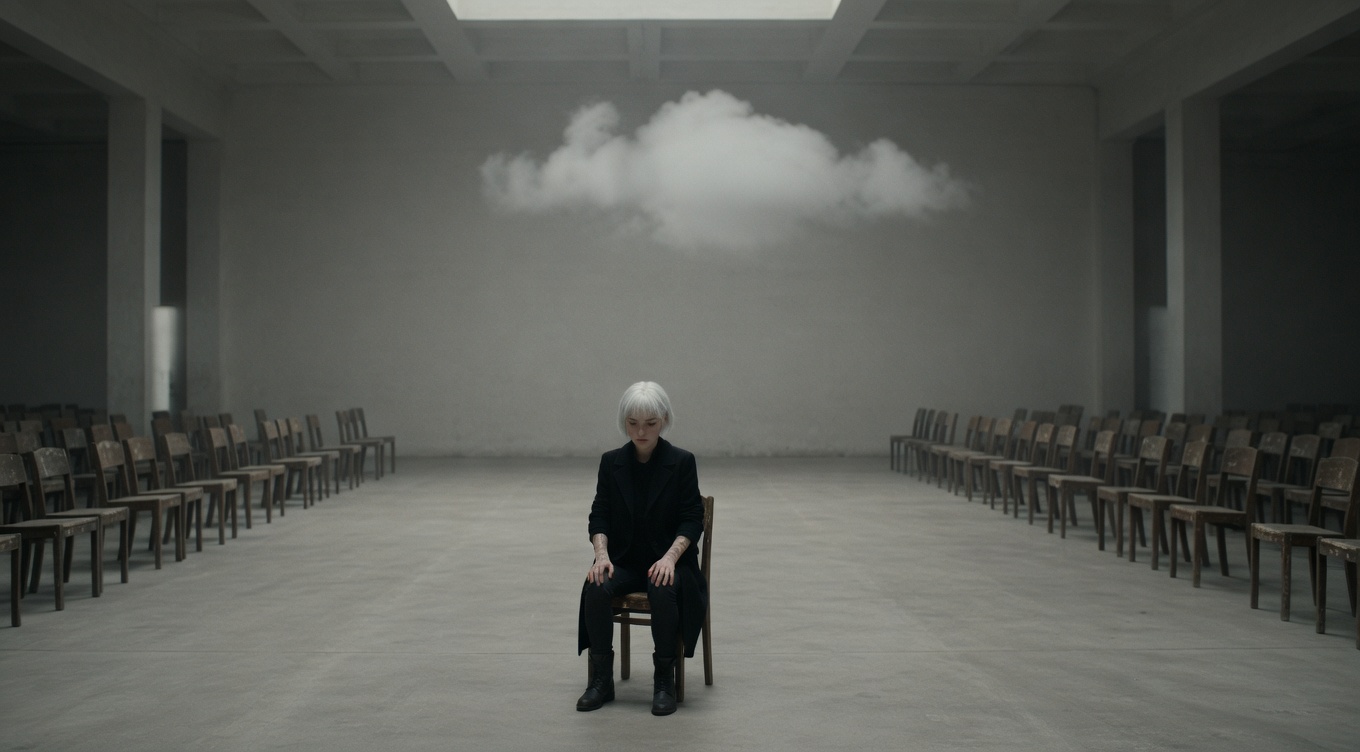
Slow Cinema cinematic example

A contemporary movement embracing extremely long takes, minimal dialogue, and patient observation that challenges the viewer to slow down, observe, and find meaning in duration itself. Andrei Tarkovsky is the spiritual father of slow cinema, with his meditative long takes in "Stalker" and "Mirror" establishing duration as a cinematic tool. Béla Tarr's "Sátántangó" (seven hours of long takes) and "The Turin Horse" are the movement's most extreme expressions. Apichatpong Weerasethakul's Palme d'Or-winning "Uncle Boonmee Who Can Recall His Past Lives" and Chantal Akerman's "Jeanne Dielman" represent slow cinema's philosophical commitment to the idea that cinema should not compress time but inhabit it.

By Ivan Flugelman · Reviewed 16 July 2026

Prompt template

Slow cinema with [Subject] in a single unbroken composition, the camera absolutely still observing with infinite patience, the only movement gradual shifting of natural light, duration itself becoming the subject, natural overcast daylight providing soft even illumination, the Tarkovsky-Bela Tarr discipline of trusting that observation is enough, that the passage of real time is cinema's most radical subject

Replace [Subject] with your own character or scene. The prompt is technology-agnostic and works as a starting point for AI image or video generators.

When to use Slow Cinema

Use slow cinema when duration itself reveals behavior, labor, landscape, grief, routine, or waiting. A long unbroken view can make tiny changes matter because the audience has time to notice them. It suits contemplative stories and actions normally compressed by editing. Choose a frame with evolving light, weather, posture, or background life; stillness should contain attention, not simply withhold events.

Directing the AI

Lock the camera in one carefully balanced composition and observe the subject through a complete action or interval without cutting. Keep dialogue sparse and movement gradual. Let natural overcast light shift, a distant figure cross, steam disappear, or posture change over real time. Avoid push-ins, coverage, and music cues that instruct emotion. Preserve ambient sound and depth. The frame must remain visually exact enough that small changes become legible rewards for patience.

Common mistakes

  1. Holding an empty composition with no evolving light, behavior, sound, or environmental detail to observe.
  2. Adding frequent reframing or coverage cuts, which removes the sustained duration defining the approach.
  3. Using slow pacing as automatic seriousness without giving the audience specific visual activity worth attending to.
Sources and further reading

  1. Genres: Where to Draw the Line? — British Film Institute
  2. BFI Screen Guides — Bloomsbury / BFI

A shot is not a world

Learn the fourteen fundamentals for building consistent characters, environments, visual logic, and stories that expand beyond one beautiful frame. Get World Building Codex 3.0 free, or explore the World Building Academy.

Related techniques

Long Take

An extended shot that runs significantly longer than conventional cuts, building real-time tension, showcasing performance, and immersing the viewer in unbroken space and time. Alfonso Cuarón and Emmanuel Lubezki pushed the long take to new extremes in "Children of Men" with the legendary six-minute car ambush, and later in "Gravity" and "Roma." Alejandro González Iñárritu's "Birdman" is constructed as one apparent continuous take. Andrei Tarkovsky's long takes in "Stalker" and "Mirror" unfold with hypnotic patience, while Béla Tarr's "Sátántangó" contains takes lasting over ten minutes. The long take is cinema's way of refusing to blink.

Static Shot

A completely locked-off shot with no camera movement, forcing the composition to do all the work — the deliberate stillness can create contemplation, comedy through staging, or unsettling tension. Yasujiro Ozu built an entire cinematic philosophy around the static shot, his "pillow shots" of empty rooms and corridors in "Tokyo Story" becoming meditations on impermanence. Wes Anderson's rigorously static, symmetrical compositions in "The Grand Budapest Hotel" turn every frame into a diorama. Roy Andersson constructs elaborate single-frame tableaux vivants in "Songs from the Second Floor," and Chantal Akerman's static shots in "Jeanne Dielman" transform domestic routine into radical cinema.

Italian Neorealism

Post-war Italian movement using non-professional actors, real locations, and stories of everyday working-class life — raw, honest, and deeply humanist cinema stripped to its moral essentials. Roberto Rossellini's "Rome, Open City" (1945) launched the movement from the rubble of war. Vittorio De Sica's "Bicycle Thieves" (1948) and "Umberto D." are the genre's masterpieces — devastating stories of ordinary people told with extraordinary simplicity. Luchino Visconti's "La Terra Trema" used actual Sicilian fishermen as actors. The movement's influence extends through the Dardenne Brothers, Ken Loach, and every filmmaker who chooses real locations and untrained faces over studio artifice.